




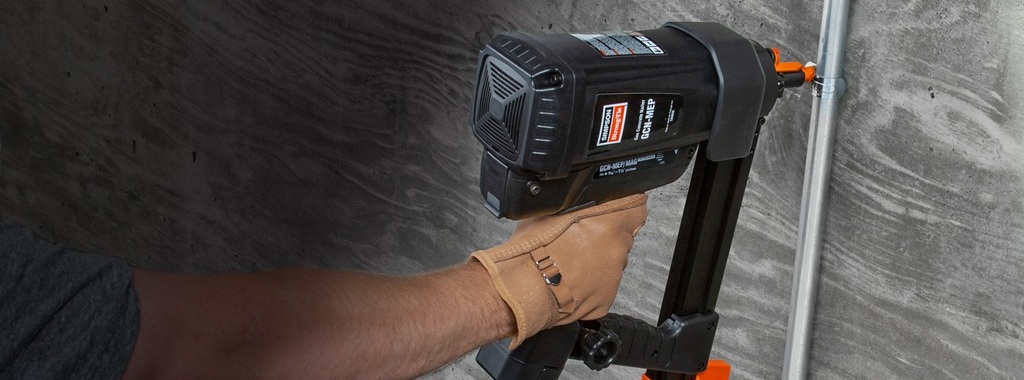
In Part 1 of this two-part series, we discussed how power-actuated fasteners work, the varying load strengths, the similarities and differences between powder-actuated and gas–actuated tools and pins, and the approval process for Evaluation Reports. Now that we have a basic understanding of pins and power–actuated tools (PATs), we are ready to dive into the acceptable uses for these fastening systems and specific limitations that exist as they pertain to the resistance of seismic forces.