




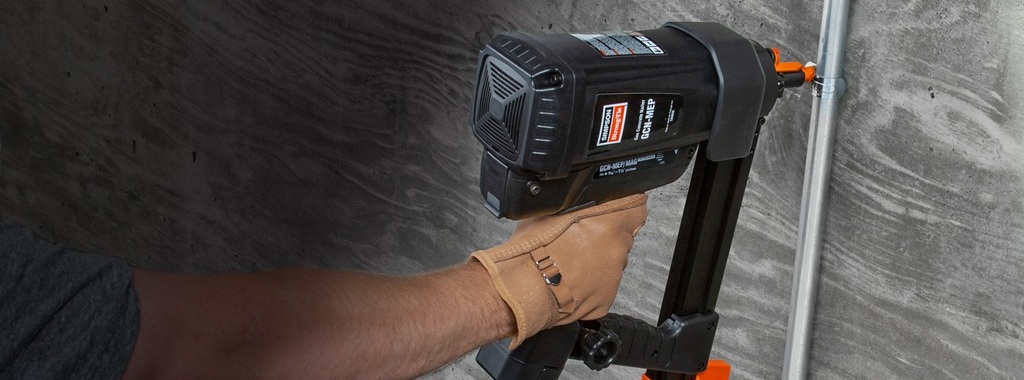
In Part 1 of this two-part series, we discussed how power-actuated fasteners work, the varying load strengths, the similarities and differences between powder-actuated and gas–actuated tools and pins, and the approval process for Evaluation Reports. Now that we have a basic understanding of pins and power–actuated tools (PATs), we are ready to dive into the acceptable uses for these fastening systems and specific limitations that exist as they pertain to the resistance of seismic forces.
Tag: power-actuated fasteners

PAF, GAF or Pass? Part 1: A Guide to Selecting a Power-Actuated Fastening Solution
“PAF, GAF or Pass?” is a question that designers are often faced with when they need to attach wood or mechanical, electrical, or plumbing (MEP) fixtures to concrete, steel, or masonry structures, because there are several considerations to be made when deciding whether to utilize a direct-fastening solution or to “pass” and utilize a different attachment method. This is Part One of a two-part series discussing power–actuated fasteners and their applications. Before we get into the nitty-gritty, let’s define these acronyms and discuss how these types of fasteners work.