




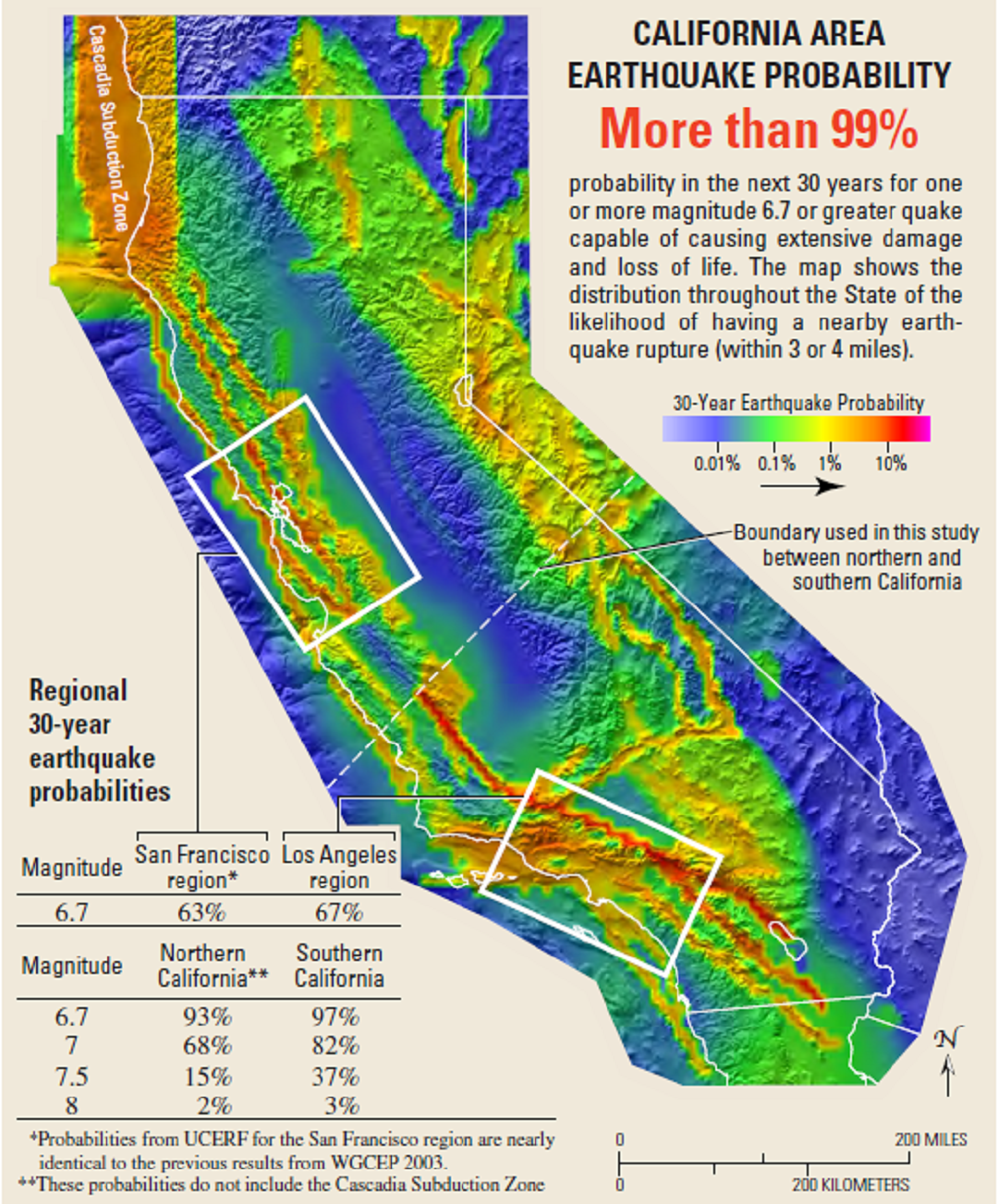
With scientists predicting a 99% chance of a 6.7 magnitude earthquake striking Southern California within the next 30 years, California weather forecasters may want to remind residents that the location which gives lots of golden sunshine year round is also one of high seismic risk.
Recent earthquakes in cities similar to Los Angeles, San Francisco and Memphis have served as a reminder of the damage and disruption a major earthquake can have on a community. Through lessons learned from past earthquakes and research performed by the construction industry, there are many tools available geared toward residential buildings to reduce damage and resist collapse.
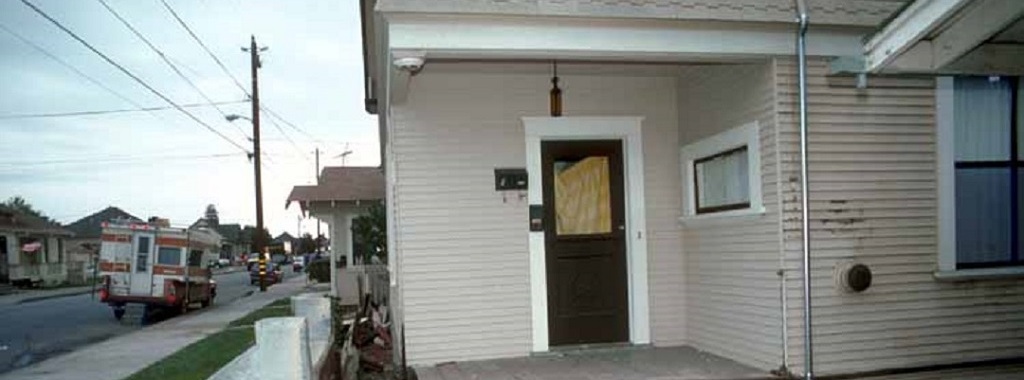
One of these tools is the 2012 International Existing Building Code (IEBC). The IEBC has provisions for repair, alteration, addition or change of occupancy in existing buildings and for strengthening existing buildings. For alterations, these provisions may not comply with current IBC requirements, but they are intended to maintain basic levels of fire and structural life safety. The IEBC also provides prescriptive provisions for strengthening existing buildings against earthquake damage, which include strengthening residential houses on raised or cripple wall foundations.
Cripple wall failures are a common type of damage observed for older homes, caused by inadequate shear strength and anchorage. Techniques for strengthening cripple walls and sill plate anchorage prescribed in IEBC Appendix A3 address some of the deficiencies of older residential buildings on raised foundations.

Another helpful reference for seismic assessment and rehabilitation for detached single family wood framed buildings includes FEMA P-1100 (Vulnerability-Based Seismic Assessment and Retrofit of One- and Two-Family Dwellings). In 2013, the California Earthquake Authority (CEA) and the Federal Emergency Management Agency (FEMA) jointly funded a project with the Applied Technology Council (ATC) to develop a prestandard for the evaluation and retrofit of one- and two-family wood light-frame residential buildings (ATC-110 Project). In addition to the assessment tools, the report contains prescriptive methods, implified engineering methods, and fully engineered methods to allow a homeowner to improve the seismic rating of their residence. With this tool, owners, engineers, inspectors, building officials can be better informed of the risk level for damage.
For owners wanting building performance beyond code minimum, ASCE 41 Seismic Rehabilitation of Existing Buildings represents state-of-the-art knowledge in evaluating and strengthening existing buildings for seismic forces. The document provides design guidance for achieving different levels of seismic performance when retrofitting existing buildings. This aids in establishing a level of expectation for seismic performance from the retrofit upgrade.
Doctors regularly remind patients of the benefits of regular exercise and so structural engineers need to regularly remind and inform homeowners of the benefits of evaluating and seismically strengthening older buildings.
What has worked for you when communicating the importance of strengthening older buildings? Let me know in the comments.
– Paul
What are your thoughts? Visit the blog and leave a comment!

Had to look up definition of a cripple wall. They seem to be used primarily in non-snow climates. In the north, we run the masonry foundation up to a PT wood plate which supports the floor joists, so we don’t have the racking issue.