




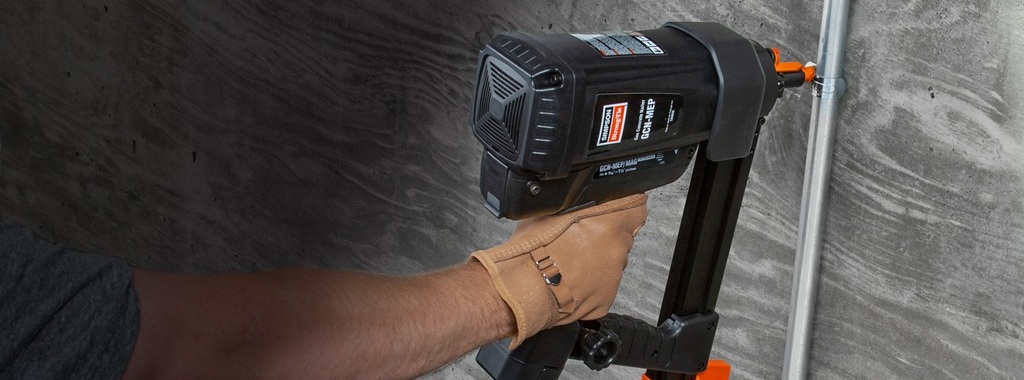
In Part 1 of this two-part series, we discussed how power-actuated fasteners work, the varying load strengths, the similarities and differences between powder-actuated and gas–actuated tools and pins, and the approval process for Evaluation Reports. Now that we have a basic understanding of pins and power–actuated tools (PATs), we are ready to dive into the acceptable uses for these fastening systems and specific limitations that exist as they pertain to the resistance of seismic forces.
Author: Tom Tarcha
Tom Tarcha is a member of the Simpson Strong-Tie Northwest Field Engineering Team. Tom graduated from the Colorado School of Mines with a master’s degree in structural engineering and has been practicing structural engineering and investigative engineering for six years. As a field engineer, his primary responsibilities include providing design and specification support and technical training for concrete and masonry anchorage, wood connectors and fasteners, cold-formed steel connectors and light-frame lateral systems. Tom is a licensed professional engineer in his home state of Colorado, as well as in Wyoming and Utah, and is an avid skier and mountain-biker in his free time .

PAF, GAF or Pass? Part 1: A Guide to Selecting a Power-Actuated Fastening Solution
“PAF, GAF or Pass?” is a question that designers are often faced with when they need to attach wood or mechanical, electrical, or plumbing (MEP) fixtures to concrete, steel, or masonry structures, because there are several considerations to be made when deciding whether to utilize a direct-fastening solution or to “pass” and utilize a different attachment method. This is Part One of a two-part series discussing power–actuated fasteners and their applications. Before we get into the nitty-gritty, let’s define these acronyms and discuss how these types of fasteners work.
Overview of the Strength-Based Cracked and Uncracked Masonry Design Standards for Adhesive Anchors
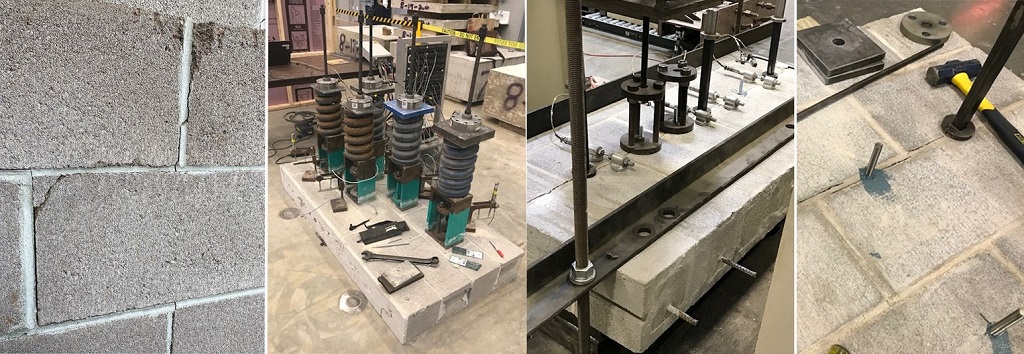
We’re entering the year 2024 — welcome to the world of cracked and uncracked masonry. The last time Simpson Strong-Tie wrote a blog post regarding design criteria for post-installed anchors in masonry was in 2019, and ICC-ES was considering the adoption of a revised version of AC58, the Acceptance Criteria for Adhesive Anchors in Cracked and Uncracked Masonry Elements. Acceptance Criteria, or ACs, outline the testing that a manufacturer must comply with in order to get an evaluation report. In some cases, the ACs contain calculations methods if they are otherwise unavailable. If you missed the previous blog post, here is a link so you can explore a bit of the history that has led us to where we are today.