





A common question we get from specifiers is “What anchor do I use with each holdown?” Prior to the adoption of ACI 318 Chapter 17, this was somewhat simple to do. We had a table that listed which anchor worked with each holdown.
During the good old days, anchor bolts had one capacity and concrete wasn’t cracked. ACI 318 Chapter 17 gives us reduced capacities in many situations, different design loads for seismic or wind and reductions for cracked concrete. These changes have combined to make anchor bolt design more challenging than it was under the 1997 Uniform Building Code.
This blog has had several posts related to holdowns. So, What’s Behind a Structural Connector’s Allowable Load? (Holdown Edition) explained how holdowns are tested and load rated in accordance with ICC-ES Acceptance Criteria. Damon Ho did a post, Use of Holdowns During Shearwall Assembly, which discussed the performance differences of shearwalls with and without holdowns, and Shane Vilasineekul did a Wood Shearwall Design Example. So I won’t get in to how to pick a holdown.
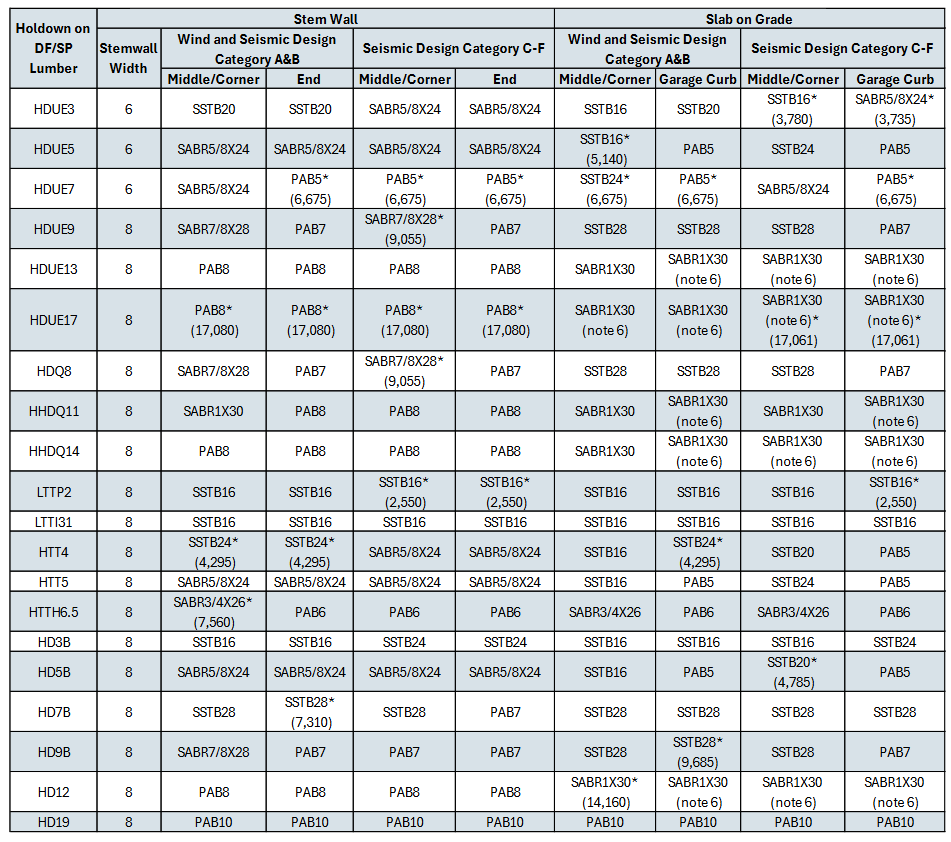
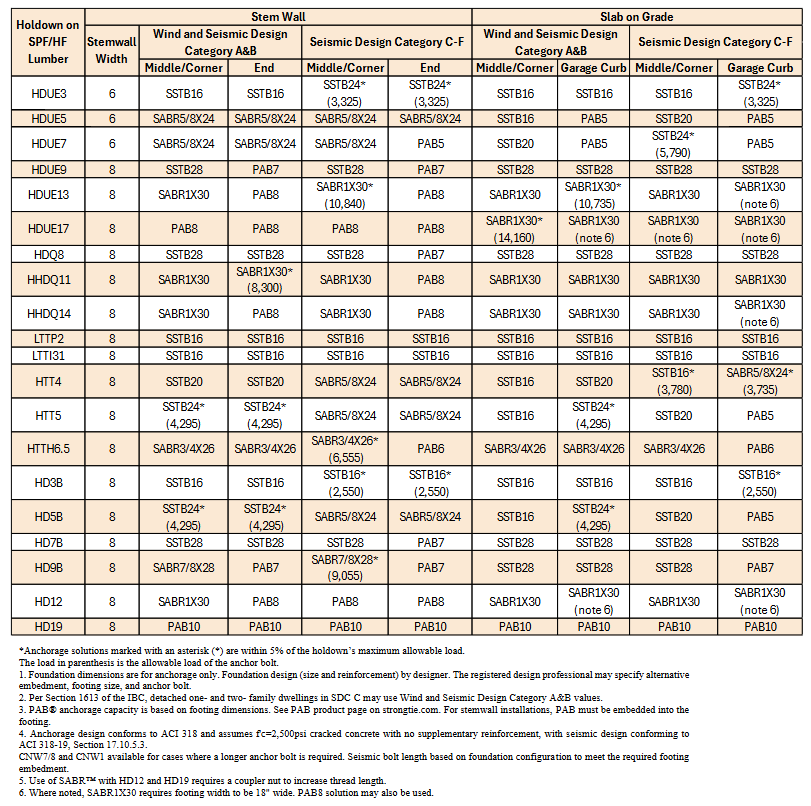
Once you have determined your uplift requirements and selected a post size and holdown, it is necessary to provide an anchor to the foundation. To help Designers select an anchor that works for a given holdown, we have created different tables that provide anchorage solutions for Simpson Strong-Tie holdowns.
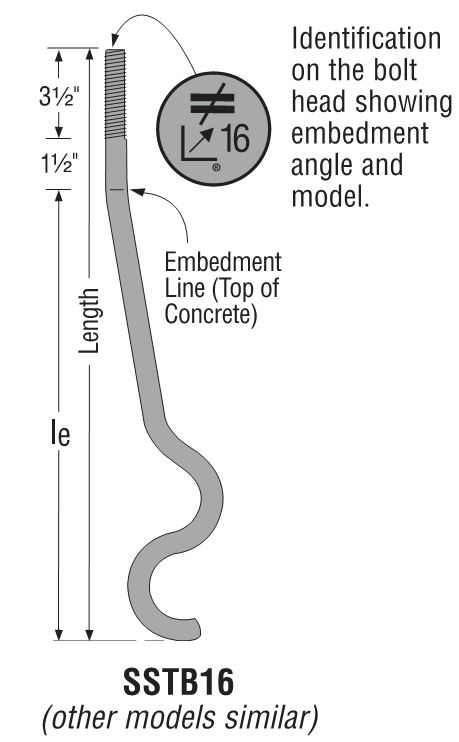
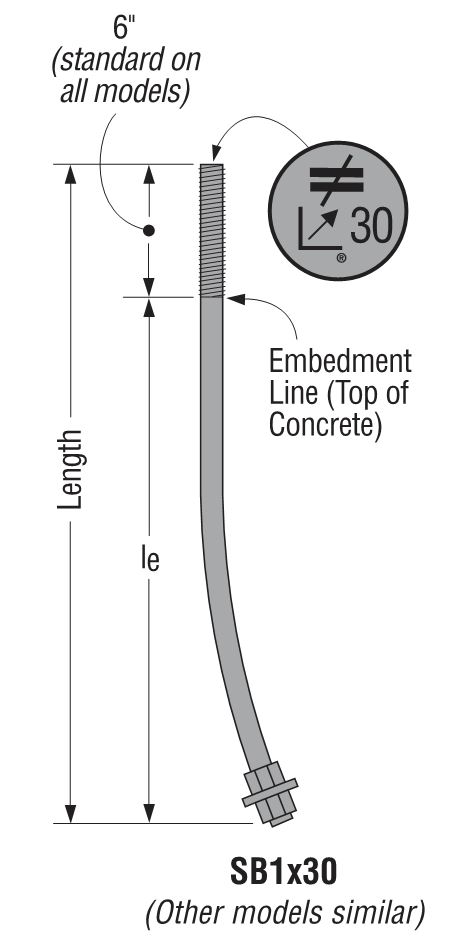
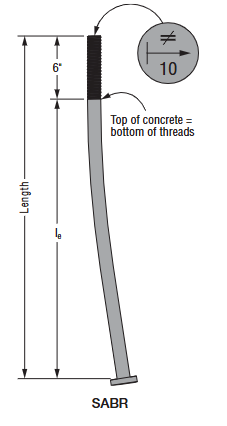
Our current catalog has addressed slab-on-grade, stemwall and grafe curb installation (DF/SP and SPF/HF) to give the most economical anchor design for each post material. The preferred anchor solutions are SSTB, SB or SABR anchors, as these proprietary anchor bolts are tested and will require the least amount of concrete. When SSTB, SB or SABR anchors do not have adequate capacity, we have tabulated solutions for the PAB anchors, which are pre-assembled anchors that are calculated in accordance with ACI 318 Chapter 17.
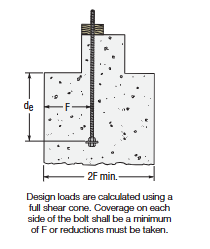
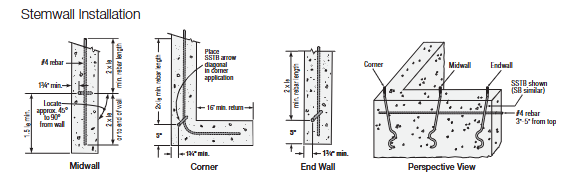
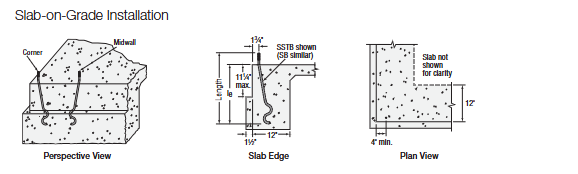
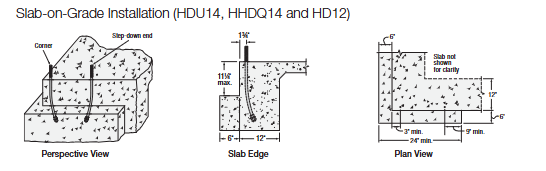
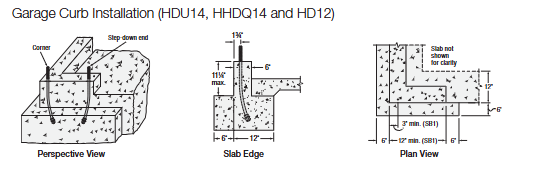
The solutions are designed to match the capacity of the holdowns, which allows the contractor to select an anchor bolt if the engineer doesn’t specify one. They are primarily used by engineers who don’t want to design an anchor or select one from our catalog tables. We received some feedback from customers who were frustrated that some of our heavier holdowns required such a large footing for the PAB anchors, whereas a slightly smaller holdown worked with an SSTB, SB or SABR anchor in a standard 12″ footing with a 1½” pop out.
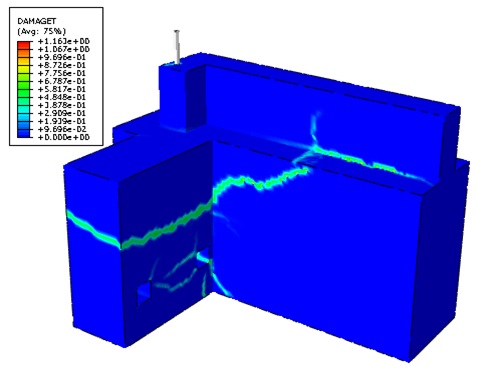
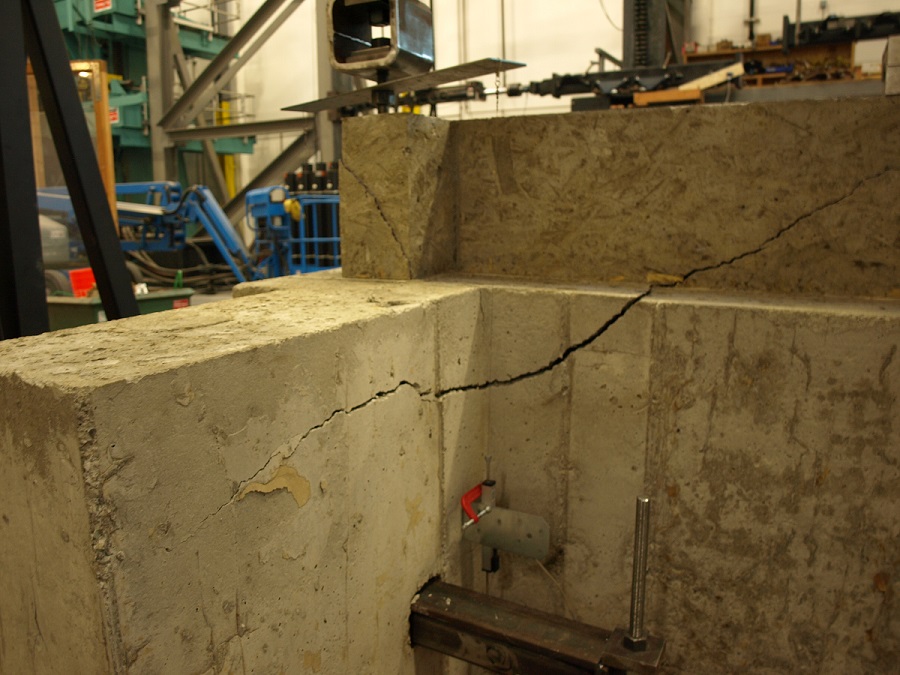
To achieve smaller footings using our SB1x30 and SABR1x30 anchor bolts, we reviewed our original testing and created finite element (FEA) models to determine what modifications to the slab-on-grade foundation details would meet our target loads. Of course, we ran physical tests to confirm the FEA models. With a 6″ pop out, we were able to achieve design loads for HD12, HDUE13, HHDQ14.
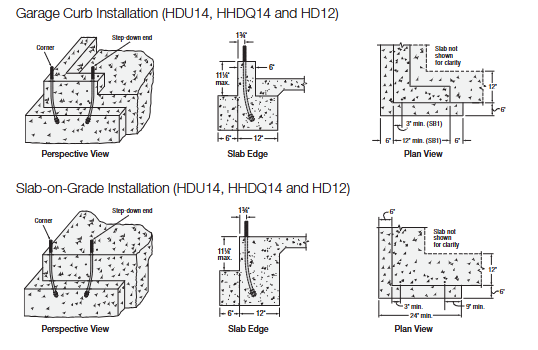
The revised footing solutions for the heavier holdowns require less excavation and less concrete than the previous Chapter 17 calculated solutions, reducing costs on the installation.
What has been your experience with holdown anchorage? Tell us in the comments below.
