


Decks Done Right Series — Real Solutions for Safer, Stronger Decks: Joists, Joist Connections, Beams, and Lateral Requirements

Deck Beams and Joists

Deck beams and joists need to be sized, spaced, and supported properly to support the loads that they are subjected to. The tables in 2021 IRC R507.5 list maximum beam spans for the different wood species members based on various ground snow loads. Table R507.6 helps to determine the maximum joist span, considering live load, wood species, joist spacing, joist size, and whether there’s a cantilever or not. Cantilevers are included but are maxed out at L/4. Joist spacing should be no more than 16″ o/c for decking that runs perpendicular to joists and no more than 12″ o.c. if the decking runs diagonal to them. DCA 6, Table 2 is the comparable section that addresses maximum joist spans and overhangs. These member sizes and spans are developed using established code minimum distributed loads of 40 psf live and 10 psf dead.

Continue Reading

Building Safer Decks: Footings, Posts, and Post-to-Beam Connections

This is the second in a six-part blog series in which we discuss, from the ground up, how to build a code-compliant deck. Building a safe, sturdy deck involves much more than selecting the right materials and a stylish design. To ensure a deck can handle the loads placed upon it, a strong foundation is essential and starts with properly designed and installed footings, posts, and post-to-beam connections. Footings are the foundation of the deck, providing support to the posts, which, in turn, support the beams and the rest of the structure. Properly installed footings prevent settling or shifting that could jeopardize the deck’s stability. Post-to-beam connections are particularly crucial, as they bear the weight of the deck and distribute it to the posts. These connections should be reinforced with metal connectors to ensure they can handle the load. Now let’s get more into the specifics.

Continue Reading

Oh Yeah, Prove It! WSV SUBFLOOR Screws as Alternatives to 8d and 10d Subfloor Nails

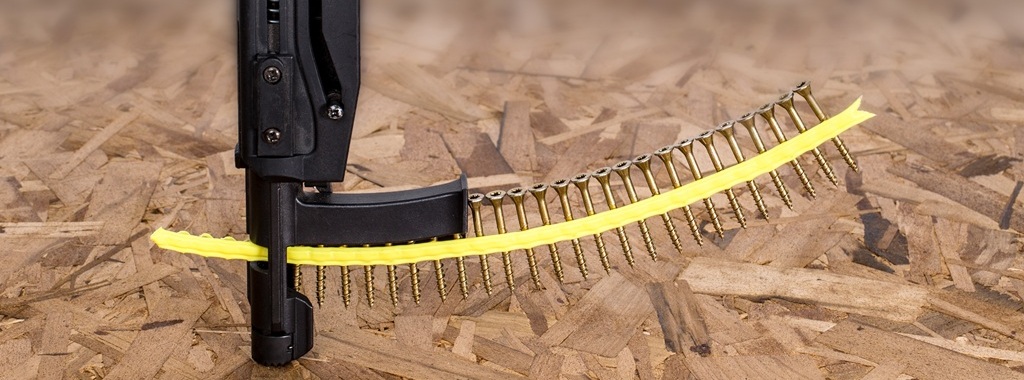
When Simpson Strong-Tie set out to re-engineer their Strong-Drive® WSV Subfloor screw, the plan was to bring a code-evaluated, no-squeak, no-glue all screw replacement for sheathed horizontal wood-frame diaphragms to the market. We knew that these collated fasteners, which were designed for fast subfloor installation using the auto-feed Quik Drive® system, were going to be an ideal replacement for 8d and 10d nails. The only thing left to do was to prove it… 

Continue Reading

Introducing the HTTH6.5 Heavy Tension Tie: Engineered to Meet the Most Demanding Conditions

The HTTH6.5 heavy tension tie (Figure 1) is designed to meet the growing demands of modern construction. This product combines state-of-the-art design with rigorous testing, offering a robust and reliable solution for high-load applications. Its painstaking engineering and precision manufacturing ensure superior performance even in the most demanding conditions. 

Continue Reading

Part II: A New Wood Construction Connectors Catalog for the New Year

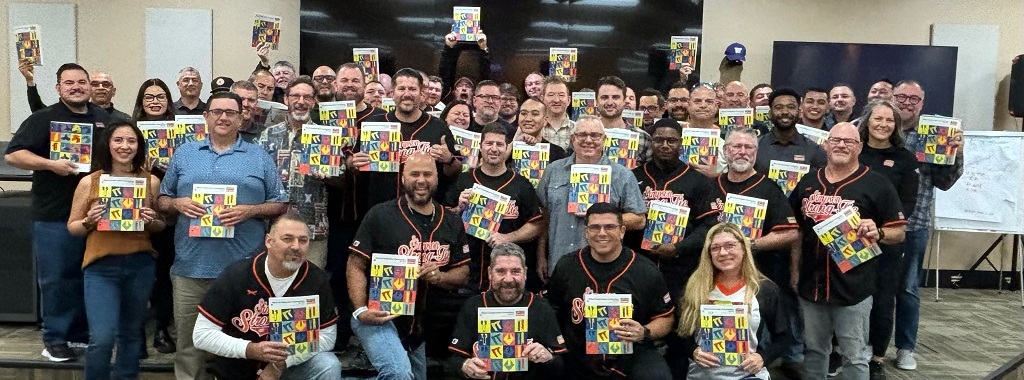
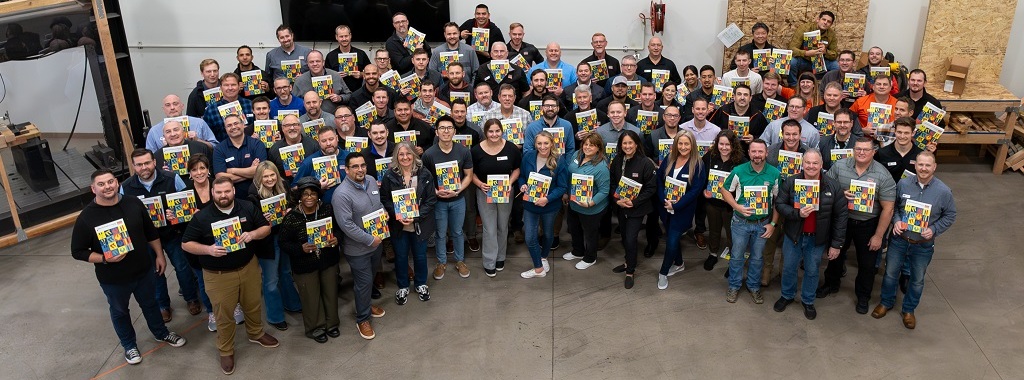
We just released our updated Wood Construction Connectors catalog (C-C-2024) which features our product line that has a legacy that started in 1956. This year’s 372-page version begins with a colorful, attention-grabbing cover design and is packed inside with all the technical details that help people build safer, stronger structures. This blog is Part II of a two-part series highlighting this new catalog and the solutions inside it.

Continue Reading

A New Wood Construction Connectors Catalog for the New Year

Welcome to 2024! I’m Bryan Wert, director for Connector & Lateral Systems. Prior to joining Simpson Strong-Tie 17 years ago, I was a consulting structural engineer primarily focused on single- and multi-family construction and it felt like Christmas morning when the new Simpson Strong-Tie Wood Construction Connecters catalog would appear on my desk. So I do find it exciting that now I get to be the one to start the New Year off announcing our new Wood Construction Connectors catalog (C-C-2024). I hope you enjoy the eye-grabbing cover art as much as I do, but more importantly I hope you’ll take some time to read this blog where I highlight what you’ll find inside the catalog.  

Continue Reading

Ninth Day of Trivia — Strong-Drive® SDS Screws

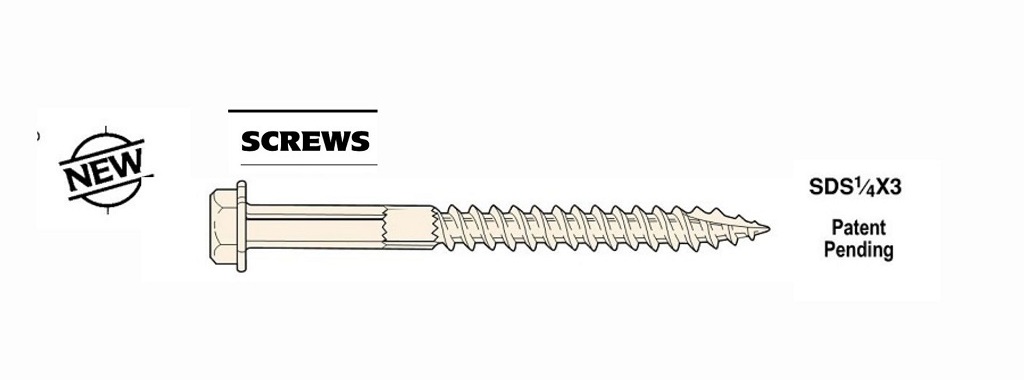
It’s difficult to talk about connectors without talking about fasteners. Simpson Strong-Tie developed the Strong-Drive® SDS Heavy-Duty Connector screw as a high-capacity alternative to nails or bolts, and the first connector using them was the PHD Predeflected Holdown. We released in both the PHD and the SDS screw in 1997.

Continue Reading

Eighth Day of Trivia — Double-Shear Hangers

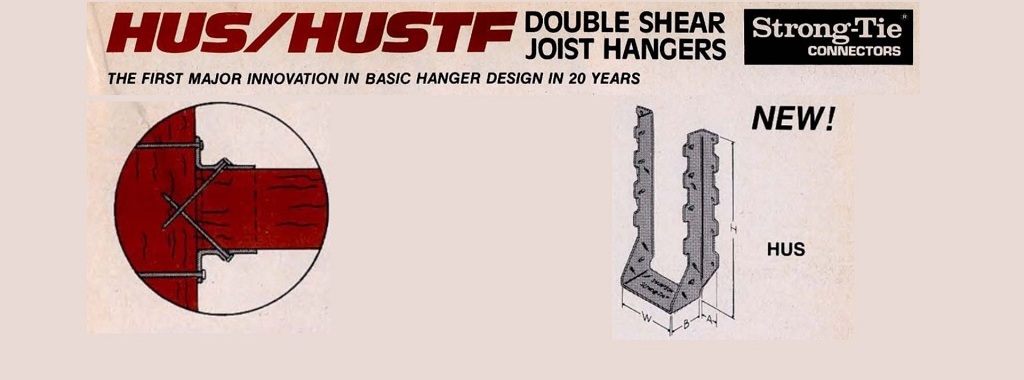
The first double shear hanger was the HUS, which appeared on the cover of the 1984 connector catalog. (Sorry that the image is a little dark. Thankfully, our photography and art design have improved over the last several decades.)

Continue Reading

Seventh Day of Trivia — Nailed Tension Ties

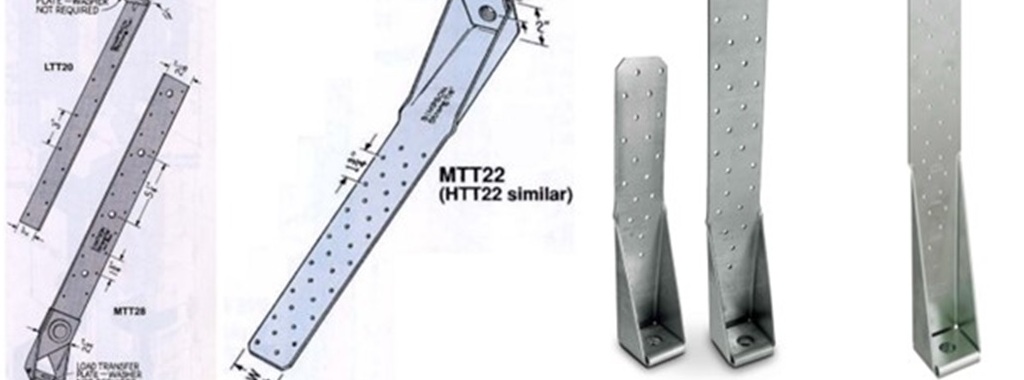
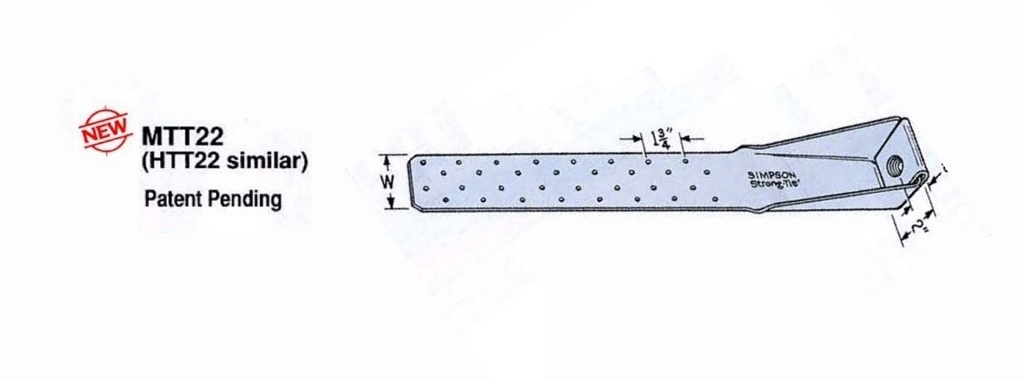
We’ve discussed two types of bolted holdowns the original welded HDs and their automated replacements, the HDAs. Just one year before the HDAs were introduced in 1988, our first nailed tension ties showed up.

Continue Reading

Fifth Day of Trivia — Automated Holdowns

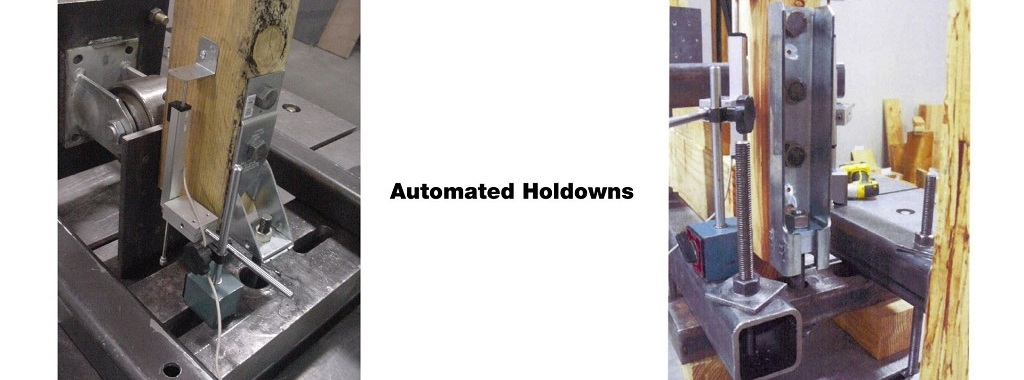
On day three, I talked about our first holdowns, the HD2 thru HD15, which were welded holdowns that use bolts. A major innovation in bolted-holdown manufacturing was the introduction of our HD2A through HD20A holdowns in 1988. The “A” stood for automated because these products were manufactured on a die that stamps out finished parts, eliminating welding and significantly decreasing costs.

Continue Reading