




This is the fourth Anchor Anatomy 101 blog post focusing on anchor systems. The goal of each post is to review anchor components, installation processes, and common applications to help you make informed anchor selection decisions based on your project’s unique requirements. The prior Anchor Anatomy 101 blog post focused on wedge type anchors. This blog post “drills down” into helical wall ties.
Category: Mechanical Anchors
From complex infrastructure projects to do-it-yourself ventures, Simpson Strong-Tie offers a wide variety of anchoring products to meet virtually any need.
From anchor bolts and concrete fasteners to installation tools, our mechanical anchor products are designed for a range of base materials — from concrete and brick to hollow and grouted CMU. They offer optimal performance even in the most demanding structural applications. For applications where there’s a risk of concrete cracking, specific anchors have been designed and tested to offer reliability.
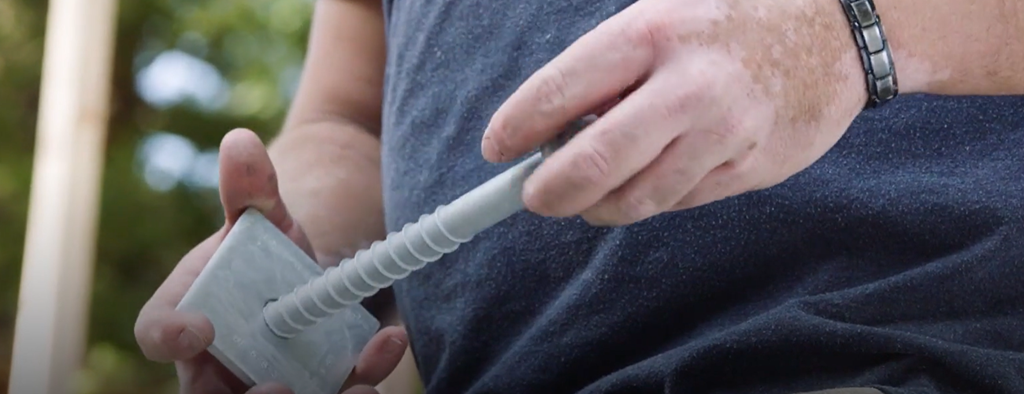
Anchor Anatomy 101: Titen HD® Concrete and Masonry Screw Anchors
Today’s blog post is the first in a series called “Anchor Anatomy 101.” Each post is designed to clarify anchor components, installation processes, and common applications to help you make informed anchor selection decisions based on your project’s unique requirements.
Earthquake Retrofit Solutions and Resources Webinar
In this post, we follow up on our November webinar, Earthquake Retrofit Solutions and Resources Webinar, by answering some of the interesting questions raised by attendees.
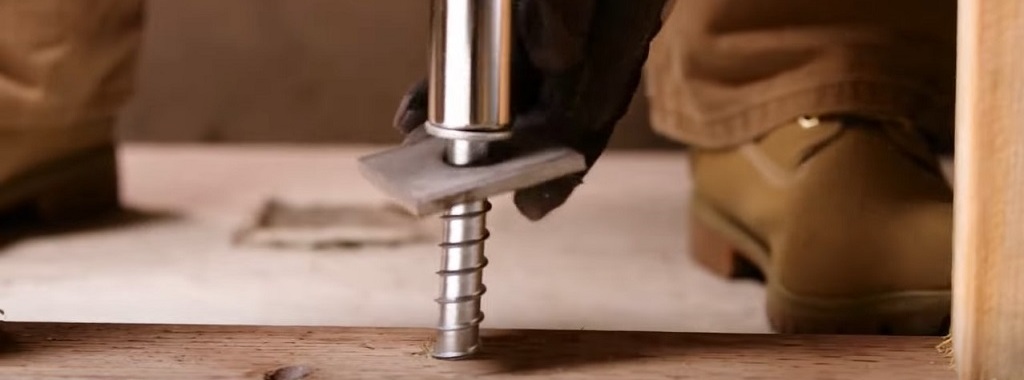
Allowable Load Tables at Your Service — A Look at the Technical Engineering Bulletin (TEB) for Anchors
One interesting part of being a field engineer for Simpson Strong-Tie is having the opportunity to see how different structural engineers may take different approaches to similar designs. We at Simpson Strong-Tie have come to appreciate these different approaches and embrace this phenomenon by providing multiple resources to aid in the completion of a design. This is very apparent when it comes to the design of post-installed anchors.
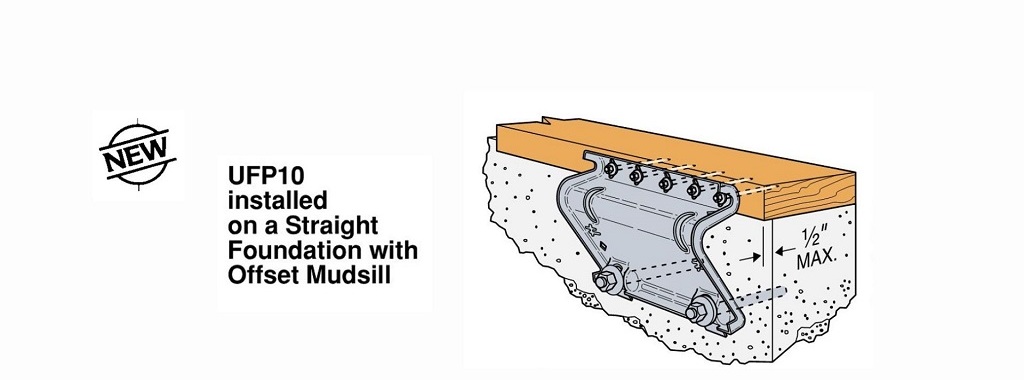
Eleventh Day of Trivia — Foundation Retrofit Plates
While working as a structural engineer in San Jose, California, I had the great opportunity to design many retrofits of historic (and some not-so historic) buildings. Younger me loved the site visits, crawling around in the dust and dirt to create as-built drawings, and I got tremendous satisfaction from helping to make these buildings safer and stronger. Older me would not enjoy the crawling so much.
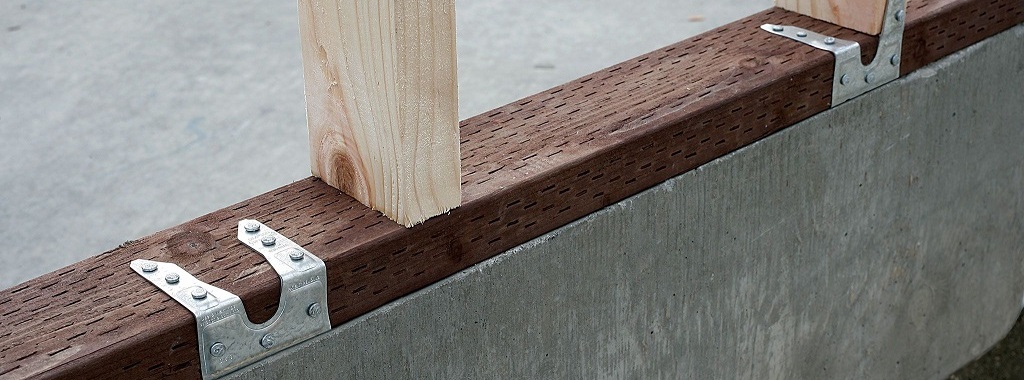
Sixth Day of Trivia — Mudsill Anchors
Mudsills commonly attach to the foundation using cast-in-place anchor bolts. It can be labor intensive to lay out the anchor bolts, drill holes in the mudsill at the right location, and then bolt everything together. A very popular solution for anchoring mudsills is our MASA mudsill, launched in 2009.
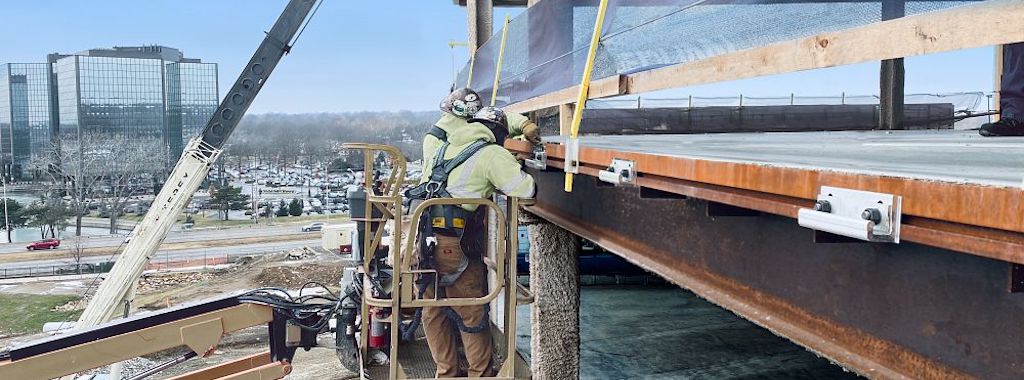
Questions Answered: Designing Cladding Connections with Greater Flexibility Using the Edge-Tie™ System
On November 9, 2022, we hosted the second in a two-part series on the latest solutions for creating cladding connection designs for structural steel buildings. The second webinar provided a technical overview of the Edge-Tie system. Simpson Strong-Tie R&D engineers Abhishek Kulkarni and Fayad Rahman discussed the performance evaluation testing and design parameters for a façade attachment method that uses adjustable bolted connections without any field welding.
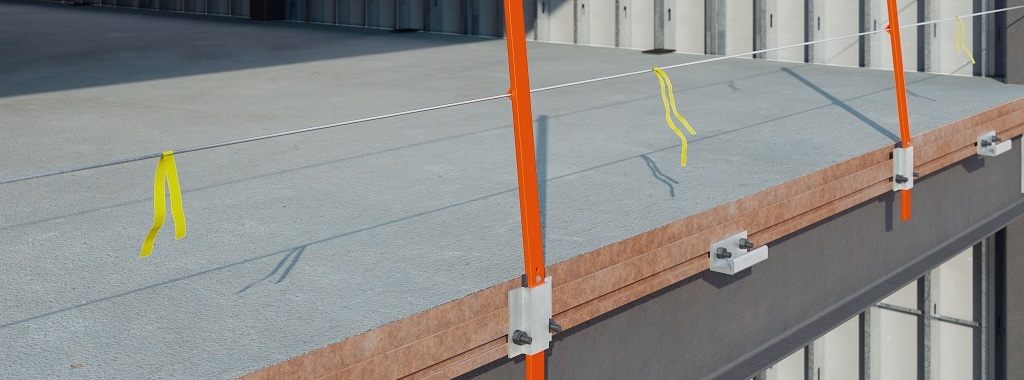
Learn New Design Methods to Enclose Buildings Faster Webinar Q&A
In this post, we follow up on our October webinar, New Design Methods to Enclose Buildings Faster, by answering some of the interesting questions raised by attendees.
During the webinar, we discussed new design methods and solutions for curtain-wall and cladding connections and how they can maximize efficiency and resiliency throughout the construction process. In case you could not join our discussion, you can watch the on-demand webinar and earn PDH and CEU credits here.Continue Reading
Inventing the Edge-Tie System
Last fall we hosted a two-part webinar series on the latest innovations in designing cladding connections for structural buildings. The first webinar, covered some of the biggest challenges that fabricators, engineers, and contractors in the structural steel industry face when designing façade attachments to a building structure. We discussed new design methods and solutions, such as bolted connections that do not require any field-welding to help enclose buildings quickly and reduce overall project schedules and costs.
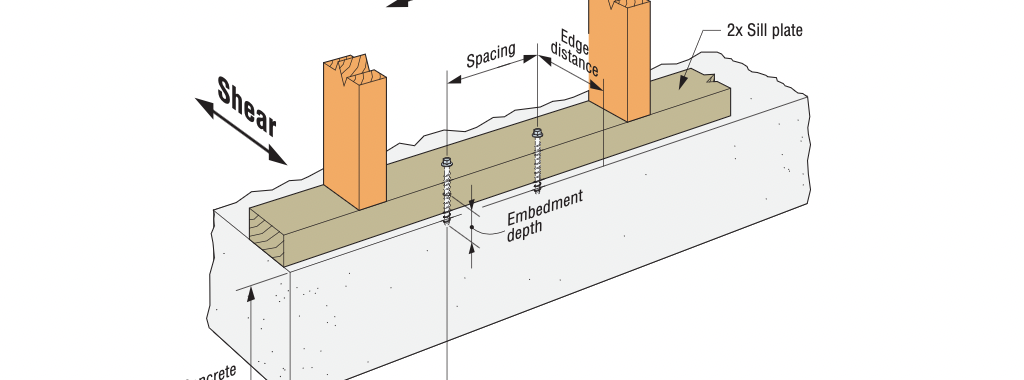
Providing Performance Data for Shallowly Embedded Anchors
In the last few years, Simpson Strong-Tie has heard from a number of structural engineers expressing frustration with the lack of performance data for shallowly embedded, post-installed anchors (shallow anchors). Engineers of Record (EOR) have identified a common application for shallow anchors as those related to attachment of sill plates for structural and nonstructural wall-to-podium slab connections. One dilemma faced by the EORs originates in their desire to prevent damage to concrete podium slab reinforcement, especially where reinforcement is located close to the slab’s top surface to resist negative bending moments. EORs further indicate that shallow anchors are frequently needed for the following attachments: hanging MEP fixtures; attaching nonstructural components associated with tenant improvements; and anchoring light equipment.