



In this post, we follow up on our May webinar, Safer, Stronger Decks: Guard Post Connections, by answering some of the interesting questions raised by attendees.
Category: Wood construction connectors
From straps and ties to heavy girder hangers and much more, Simpson Strong-Tie® structural connectors increase the strength and safety of wood-frame structures.
Choosing the Right Connections for Wind-Resistant Design
According to the Greek philosopher Heraclitus, “The only constant in life is change.”
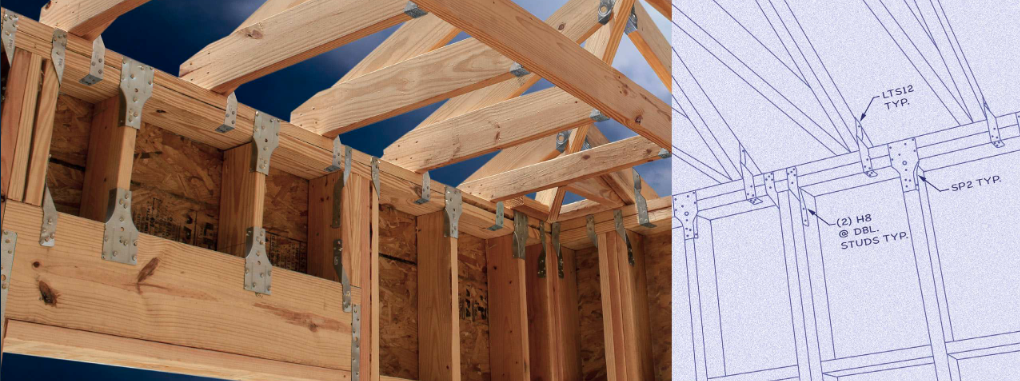
When the latest Wood Construction Connectors catalog (C-C-2019) was published, my colleague, Paul McEntee, PE authored an excellent blog post to announce some big changes within the catalog. He shared that Simpson Strong-Tie® was the first in the industry with updated connector allowable load tables to meet the new ASTM test standards required by the 2015 and 2018 International Building Code® (IBC®). It was one of those rare times where being first didn’t exactly feel like winning.
Let me explain …
Adjustable Hanger or Custom Hanger — You Make the Call
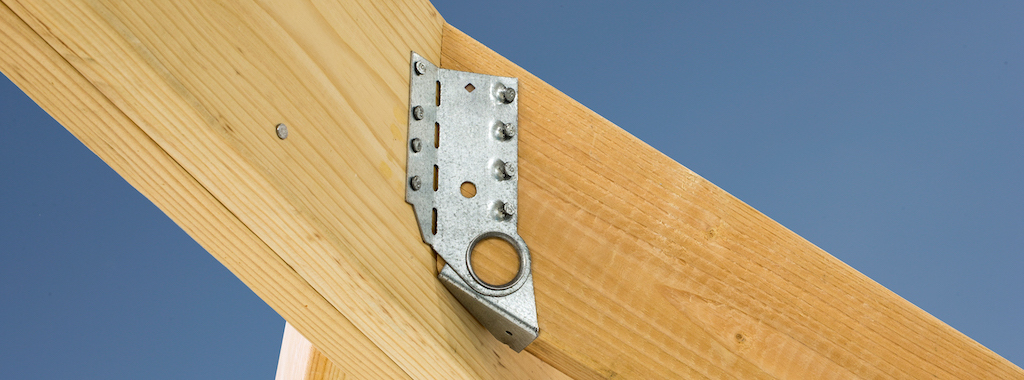
It would be a lot simpler for designing engineers if structural connections were always for members at right angles to one another. Often, connections have to be designed for supported members that are at a skewed or sloped angle rather than perpendicular to the header. In these cases, the engineer will have to choose between a premanufactured adjustable hanger and a custom hanger. Simpson Strong-Tie offers both options, and in the following post, Randy Shackelford, P.E., discusses the various considerations that may affect a specifier’s choice.
It makes things easy for an engineer when the building being designed is rectangular. This allows you to make the connections between nice perpendicular members, and standard connectors and joist hangers are easy to specify.

Questions Answered: Deck Ledger Connections for Wood and Masonry
In this post, we follow up on our July webinar, Safer, Stronger Decks: Ledger Connections for Wood and Masonry, by answering some of the interesting questions raised by attendees.
During the webinar we discussed code-compliant ledger connection
options for both wood and masonry construction. In case you weren’t able to join our discussion, you can watch the on-demand webinar and earn PDH and CEU credits here.
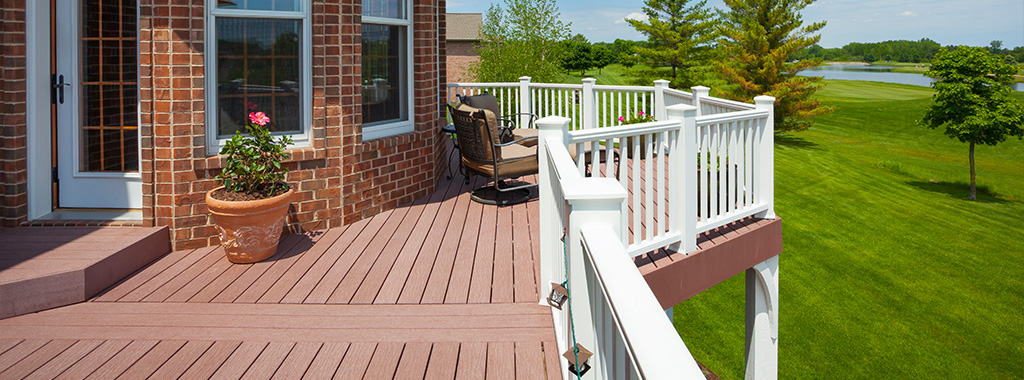
Attaching a Deck Ledger to a Home Through Brick or Masonry Veneer — the BVLZ Solution
Brick or masonry veneer has traditionally posed a problem to homeowners and contractors seeking to attach a deck to a home without removing large portions of the veneer or siding. No longer is that the case, thanks to the innovative BVLZ brick veneer ledger connector from Simpson Strong-Tie. In this post, Rachel Holland, P.E., an R&D structural engineer at Simpson Strong-Tie, explains the research and insights that went into testing and developing this revolutionary connector.
Continue Reading
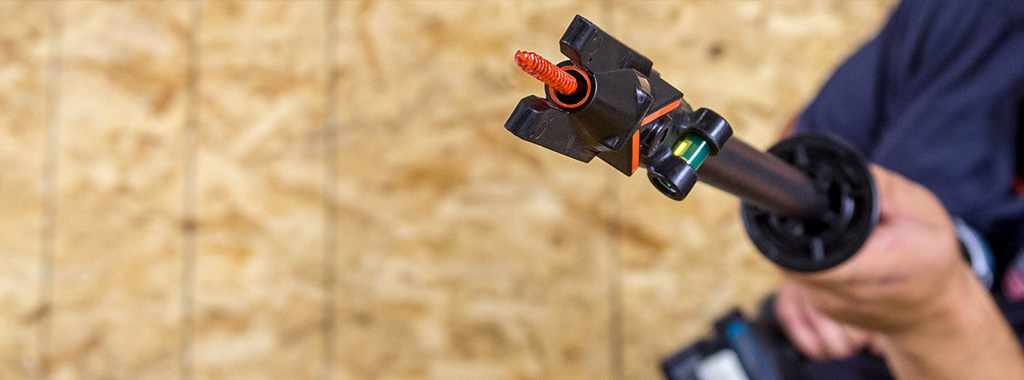
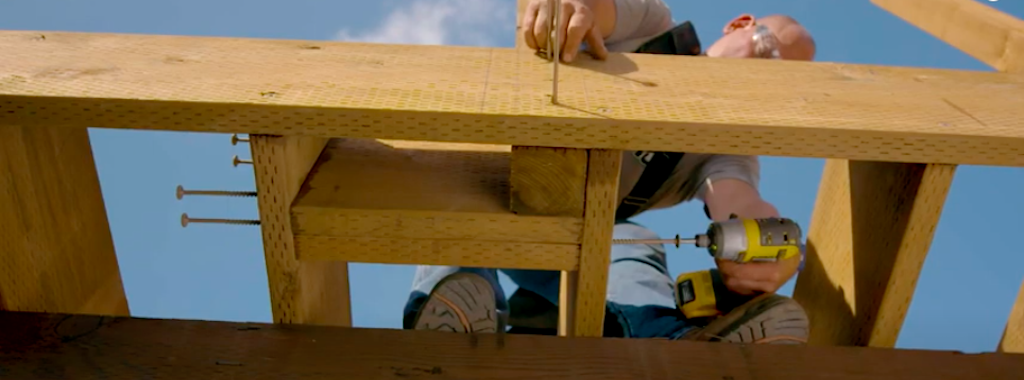
5 Ways the Quik Stik™ Tool Raises the Bar on Overhead Fastening
Our “Quik” line of tools now has jobsite efficiency covered from subfloor to drywall to rafters. The Quik Stik overhead assembly fastening system is our most recent innovation in a line of fastening systems that also includes the Quik Drive® PRO250G3 subfloor system and the Quik Drive PRODW drywall system. It provides contractors with a versatile solution that makes fastening rafter and truss connections faster and easier than ever. Here are five ways the Quik Stik raises the bar on overhead fastening.
Continue Reading
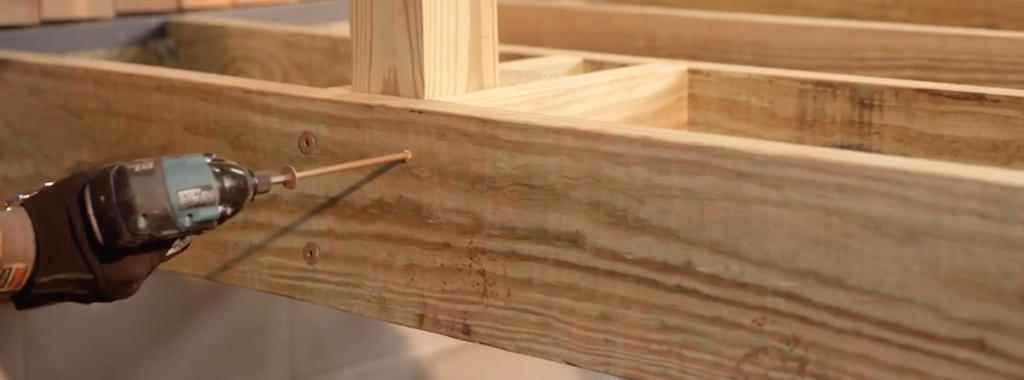
Still Using Lag Screws? Consider Self-Tapping Wood Screws Instead
Lag screws are traditionally specified for many structural loads in wood construction. However, recent innovations in engineering for self-tapping wood screws have made them an increasingly popular, labor-saving alternative to lag screws. In the following post, Aram Khachadourian, P.E., of Simpson Strong-Tie discusses the structural and economic advantages of this option.
Continue Reading
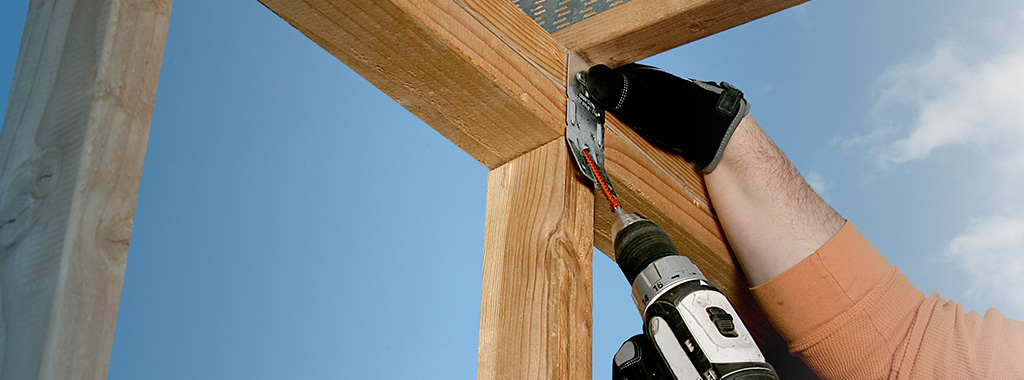
Questions Answered: Resisting Uplift with Structural Fasteners
Of course you know about creating a continuous load path with either connectors or rod tiedown systems, but have you considered using fasteners instead? In this post, Bryan Wert follows up on our May 2 webinar, Drive a New Path: Resisting Uplift with Structural Fasteners, by answering some of the interesting questions raised by the attendees.
On May 2, Simpson Strong-Tie hosted an interactive webinar where we discussed different methods of creating a continuous load path for wind uplift resistance. Most of the hour-long webinar was devoted to the innovative structural screw system comprising our Strong-Drive® SDWC Truss screw and the SDWF Floor-to-Floor screw with TUW take-up washer. In addition to sharing load capacities, installation details and various benefits of this system, we included a design example with illustrative specification options. In case you weren’t able to join our discussion, you can watch the on-demand webinar and earn PDH and CEU credits here.
Continue Reading
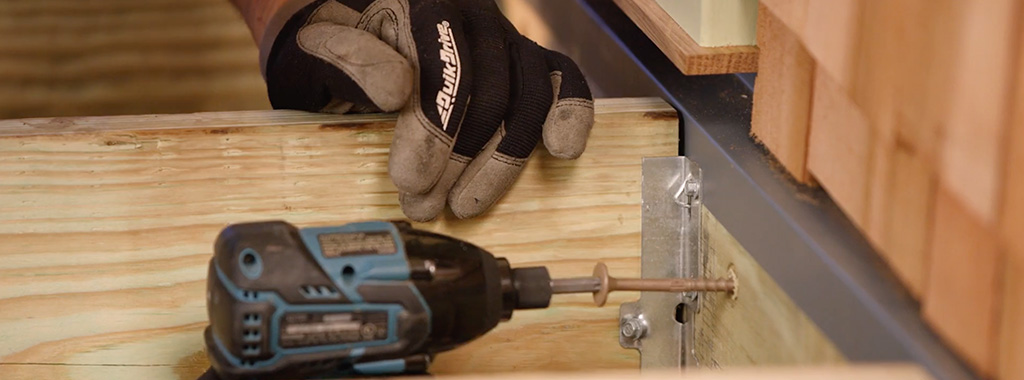

SDWS Timber Screw – The Evolution Continues
Simpson Strong-Tie® R&D engineers are always looking to make products even better and more cost effective, in ways that will improve life not only for homeowners, but also for Designers and builders. In the following post, Aram Khachadourian explains how the newly designed SawTooth™ point on our code-listed Strong-Drive® SDWS Timber screw makes driving faster and easier with no predrilling. The flat head also makes connector and sheathing placement a lot smoother.
Continue Reading
Drive a New Path: Resisting Uplift with Structural Fasteners
Structural screws are designed and tested to do hard work, but that doesn’t make them hard to use. In this post, Simpson Strong-Tie structural engineer Bryan Wert explains how the load-rated strength, versatility and easy installation of the code-listed Strong-Drive® SDWC Truss screw and SDWF Floor-to-Floor screw make it a cinch to create a continuous load path to resist wind uplift.
Winter’s finally shedding her blanket and unveiling springtime in Texas. There’s now a short window of picture-perfect weather where my purchases at Home Depot are no longer foam hose bib covers to protect outdoor faucets from freezing temperature, but aren’t quite yet tiki torches and floats for the pool for hot and humid summer days. I find myself in the garden center looking at the freshly delivered trees, shrubs and flowers, along with just about every other adult in my city. This year, my wife’s decided we need to surround our outdoor living space with hanging planters displaying perky red, purple, yellow and blue flowers.
Continue Reading