



One of my most vivid memories from college is my Struct I professor teaching us that civil engineering is an empirical field. He wasn’t just defining what empirical meant, he was also teaching us we need to ready our minds for change. This instruction came at a fortuitous time. This was 1997 and three years prior to that the Northridge earthquake had rocked Los Angeles and was about to change the way structural engineers look at seismic design and detailing forever. Beginning with the changes codified in the 1997 UBC, the standard of practice for seismic design today has evolved to become radically different from what was followed prior to Northridge. In this article the change I would like to help us all understand is multi-period seismic in ASCE 7-22 — where it came from, what’s “multi-” about it, and how it will affect what you do in your own designs.
Tag: structural engineering

Shearwall Holdowns in Multistory Wood Buildings and the Canadian Building Code
When I graduated from university in 2013, British Columbia had already been allowing six-storey light-frame wood buildings via its provincial building code for a few years. Shortly thereafter, I joined Simpson Strong-Tie and became more familiar with practices in the other western provinces (Alberta, Saskatchewan, and Manitoba) which took a bit longer to embrace these six-storey structures. Over the past twelve years, it’s been interesting to watch their popularity rise due to increased demand for housing and sustainability, with the industry’s confidence growing alongside this evolution.

Upcoming Presentation: Ensuring Seismic Deformation Compatibility in Mass Timber Connections
Ever wonder how mass timber beam-to-column and column-to-column connections hold up when seismic deformation begins to push a structure beyond its expected limits? For engineers working with mass timber, understanding this behavior is central to design decisions, connection detailing, and project performance. Simpson Strong-Tie senior product engineer Alex Mueller and product engineer Giovanni Pereira will examine seismic deformation compatibility for mass timber connections in a webinar on December 17, 2025, at 10:00 a.m. PT. Presented by Simpson Strong-Tie and hosted by STRUCTURE as part of its sponsored webinar series, the session reviews the mechanics, research insights, and engineering considerations that shape connection performance during seismic demand. Read on to learn more about the focus of this webinar.
Framing the Future: The Evolution of Moment Frames
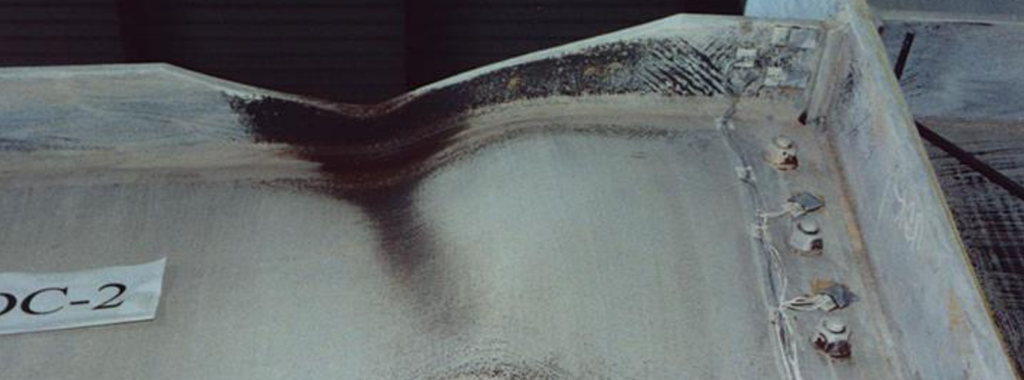
Discover insights from Simpson Strong-Tie engineer Emily Morris Frazier, P.E., as she examines the evolution of moment frame construction over the past 150 years. She traces the transition from early rivet and angle connections to the prevalent use of welded moment frames in seismic zones. Emily addresses the challenges that emerged after significant earthquakes, which spurred the development of prequalified connections to boost safety and performance. She highlights the ongoing advancements in design strategies that aim to enhance the resilience of modern structures.
How Simpson Strong-Tie Helped Shape My Career
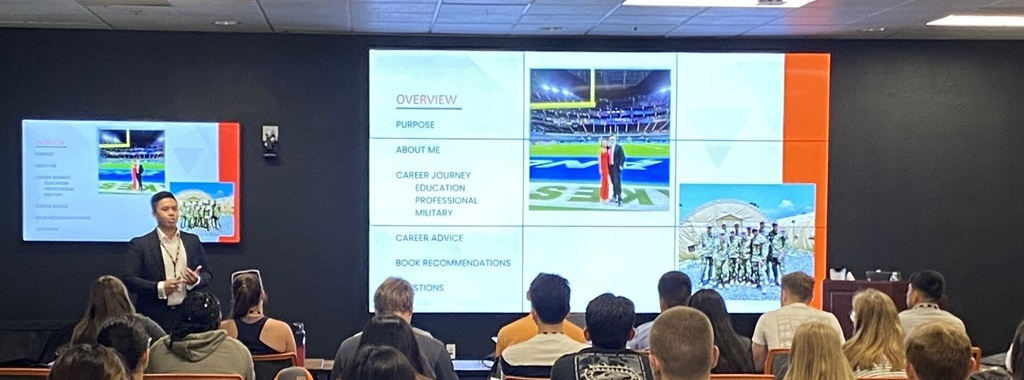
Matthew Cristi is a structural engineering project manager at Los Angeles Air Force Base and a Civil Engineering Officer in the U.S. Air Force Reserves. He earned his degrees from CSUN and Stanford and has worked at KPFF and Los Angeles Air Force Base. Matthew first connected with Simpson Strong-Tie through a scholarship and continues to value their support and resources in his professional work.

My Adventure Visiting Simpson Strong-Tie As a Student Scholarship Recipient
Daphne Milkert, a senior at Milwaukee School of Engineering is a recipient of the 2023 Simpson Strong-Tie Scholarship. During her scholarship trip to the Bay Area, she engaged in activities like visiting Pier 39, exploring the Tyrell Gilb Research Lab, and participated in a hands-on tradeshow showcased the versatility of Simpson Strong-Tie products. Discover her insights from the trip and what she found valuable about her experiences and the connections she made.
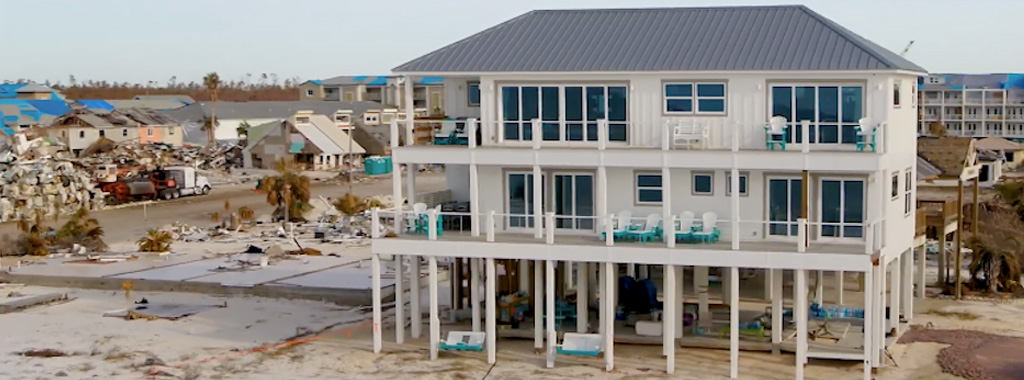
Choosing Resiliency: Lessons from Hurricane Michael
In this post, Doug Allen, P.E., a structural engineer with Simpson Strong-Tie, looks at the choice homeowners in disaster-prone areas face between simply building to code and building to standards of resilience or IBHS FORTIFIED Home™ standards instead.
Resilience, or resiliency: The capacity to recover quickly from difficulties; toughness. The ability of a substance or object to spring back into shape; elasticity.
In the wake of the most recent and very devastating hurricane seasons, the theme of structural resiliency has resurfaced with renewed urgency for increasing numbers of homeowners, builders, Designers and civic planners. Hurricanes pose a triple threat of high winds, substantial rain and storm surge. Extreme weather has cost the nation nearly $100 billion in damage during 2018. Accordingly, awareness has risen within affected and surrounding coastal regions regarding their communities’ existing structural resilience ratings (low or high) and the need to improve in view of the losses as well as the time and cost to rebuild what was destroyed.
Continue Reading
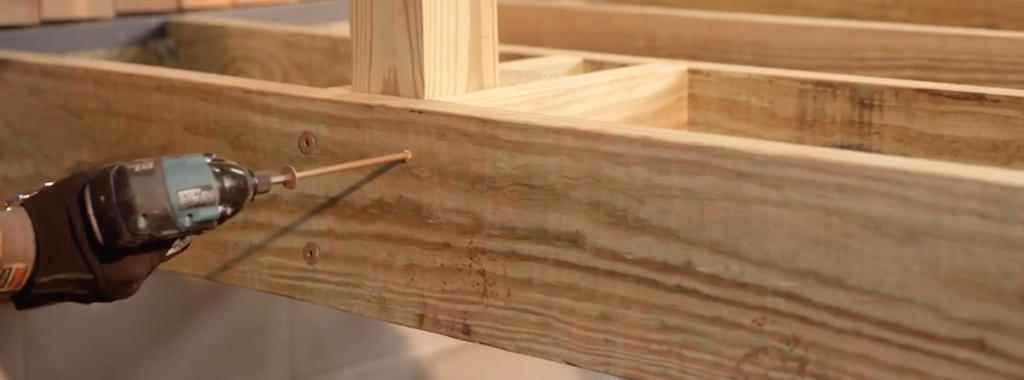
Still Using Lag Screws? Consider Self-Tapping Wood Screws Instead
Lag screws are traditionally specified for many structural loads in wood construction. However, recent innovations in engineering for self-tapping wood screws have made them an increasingly popular, labor-saving alternative to lag screws. In the following post, Aram Khachadourian, P.E., of Simpson Strong-Tie discusses the structural and economic advantages of this option.
Continue Reading
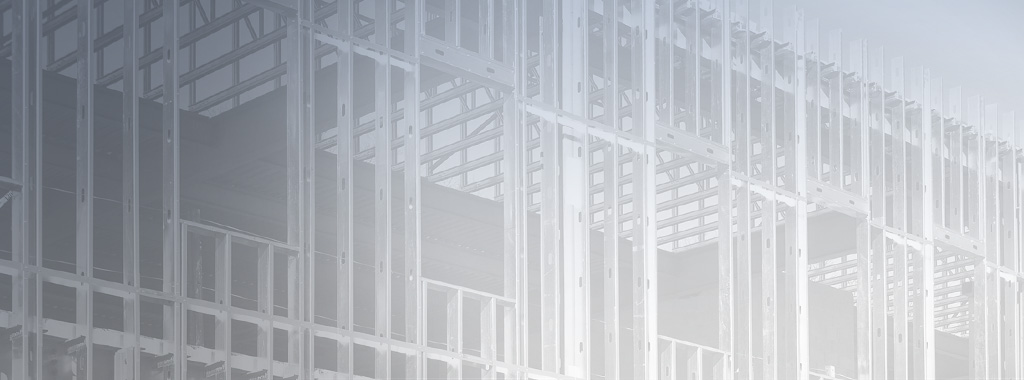
CFS Designer™ v2.5 Makes Cold-Formed Steel Design Easier Than Ever
With the use of engineering software tools, structural engineers can design buildings faster and more efficiently than ever before. In this blog post, Clifton Melcher, P.E., a senior project manager for cold-formed steel connectors, discusses the various enhancements included in version 2.5 of Simpson Strong-Tie® CFS Designer™ software.
Continue Reading
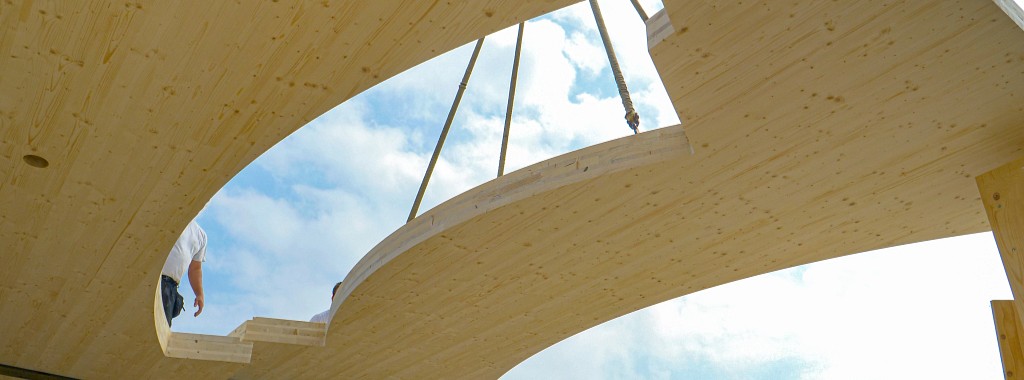
Revisiting Spanning the Gap

Three years ago, we created this blog post based on a technical support question we often receive about allowable fastener loads for ledgers to wood framing over gypsum board. Given that this is still a frequent question and a relevant topic, we decided to revisit the post and update it.
Drywall. Wall board. Sheetrock. Sackett Board? A product called Sackett Board was invented in the 1890s, which was made by plastering within wool felt paper. United States Gypsum Corporation refined Sackett Board for several years until 1916, when they developed a new method of producing boards with a single layer of plaster and paper. This innovation was eventually branded SHEETROCK®. More details about the history of USG can be found here.
No matter what you call it, gypsum board is found in almost every type of construction. Architects use it for sound and fire ratings, while structural engineers need to account for its weight in our load calculations. A common technical support question we receive is for allowable fastener loads for ledgers to wood framing over gypsum board.
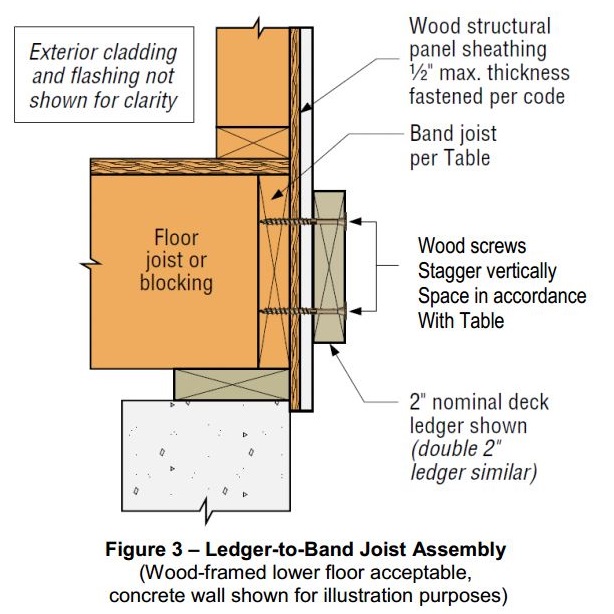
One method to evaluate a fastener spanning across gypsum board is to treat the gypsum material as an air gap. Technical Report 12, General Dowel Equations for Calculating Lateral Connection Values, is published by the American Wood Council.

TR12 has yield limit equations that allow a designer to account for a gap between the main member and side member of a connection. With a gap of zero (g=0), the TR12 equations provide the same results as the NDS yield limit equations.
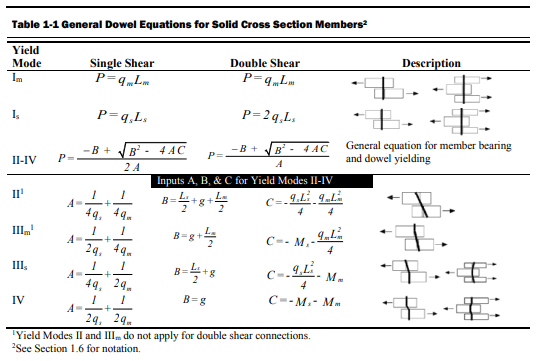
The equations are fairly complex, but it should be intuitive that the calculated fastener capacity decreases with increasing gap. Engineers are often surprised to see a 40, 50, even 60% drop in fastener capacity with one layer of 5/8” gypsum board. So what else can you do?
Testing, of course! In So, What’s Behind a Screw’s Allowable Load? I discussed the methods used to load rate a proprietary fastener such as the Simpson Strong-Tie® Strong-Drive® SDS or SDW screws. To recap, ICC-ES Acceptance Criteria for Alternate Dowel Type Fasteners, AC233, allows you to calculate and do verification tests, or load rate based on testing alone. We develop our allowable loads primarily by testing, as the performance enhancing features and material optimizations in our fasteners are not addressed by NDS equations.
So to determine the performance of a fastener installed through gypsum board, we tested the fastener through gypsum board. This is easier to do if you happen to have a test lab with a lot of wood and fasteners in it. We did have to run down to the local hardware store to pick up gypsum board for the testing.
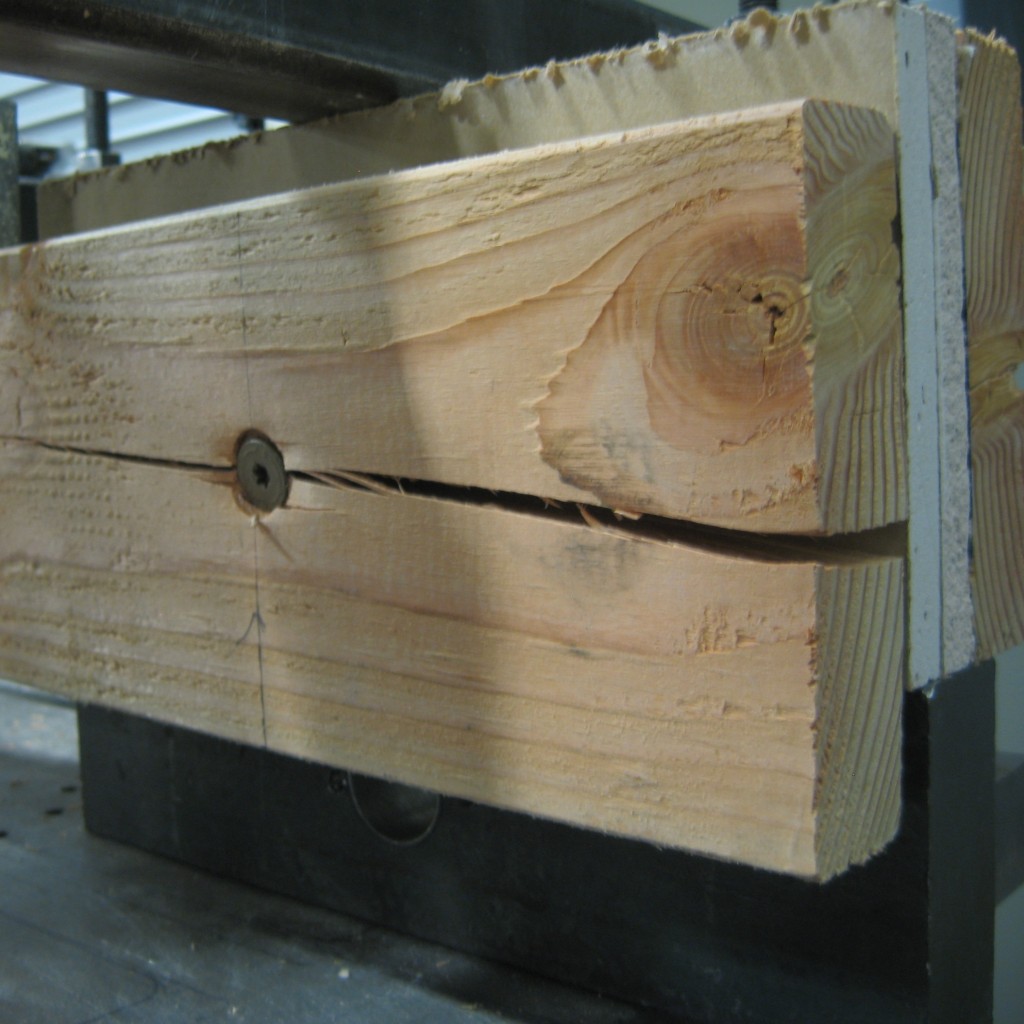
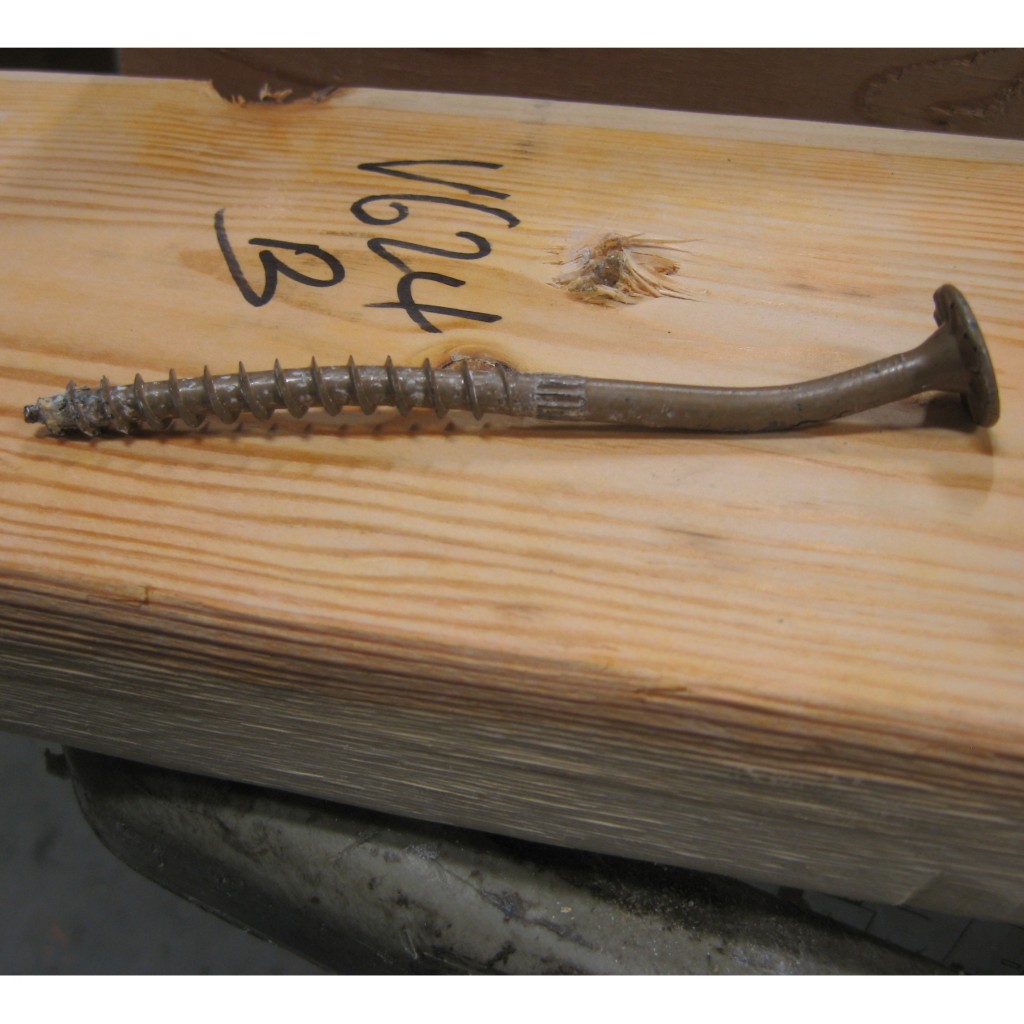
A full set of allowable loads for Strong-Drive SDWH and SDWS are available on strongtie.com. The information is given as single fastener shear values for engineered design, and also screw spacing tables for common ledger configurations. As much fun as writing spreadsheets to do the Technical Report 12 calculations is, having tabulated values based on testing is much easier.
Fastening Systems
In the fastener marketplace, Simpson Strong-Tie stands apart from the rest. Quality and reliability is our top priority.