



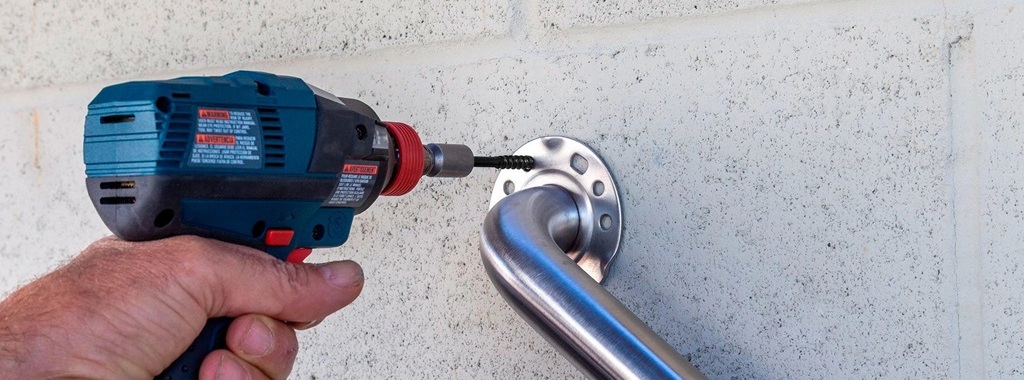
Discover the innovation driving our Titen Turbo concrete screw anchors. In the following post, Ken Cho, Senior Product Engineer at Simpson Strong-Tie, explains how the patented dust channel design simplifies installations, eliminates frustrations and enhances overall efficiency. Revolutionize your concrete fastening projects with our latest offering — now also available in black!
Category: Anchoring Systems
One of the core values at Simpson Strong-Tie is to help you succeed by providing innovative products, full-service engineering, field support, product testing and training, and on-time product delivery. We strive to provide innovative anchor systems solutions for infrastructure, commercial, industrial and residential projects. We offer a full array of mechanical anchors, adhesive solutions, and tools for concrete and masonry applications. Our anchor systems solutions, like all of our others, have passed the high performance and quality standards that are expected of Simpson Strong-Tie — and include the trusted level of service you’ve come to rely on.
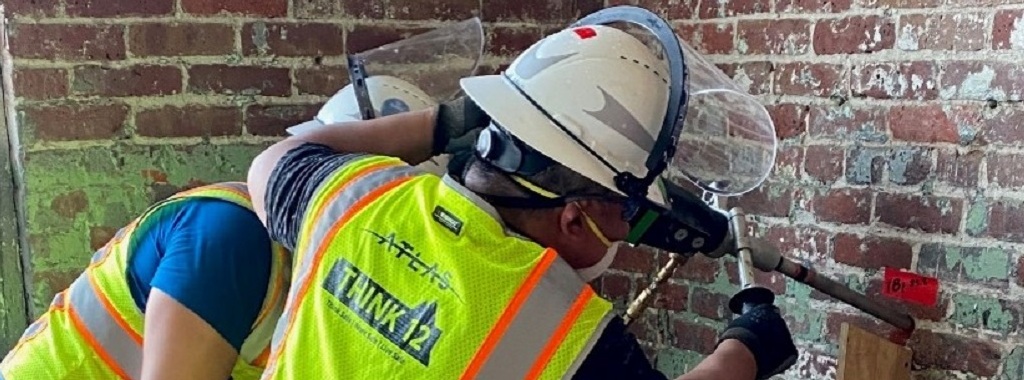
Which Anchoring Adhesive Installation Method Is Faster: A Comparison of Core Drilling vs. Carbide Drilling into URM
Have you ever specified an adhesive for an unreinforced masonry (URM) retrofit? If so, you may have wondered about the difficulty of drilling holes at 22.5° from horizontal in order to properly install an anchor to take tension loads.
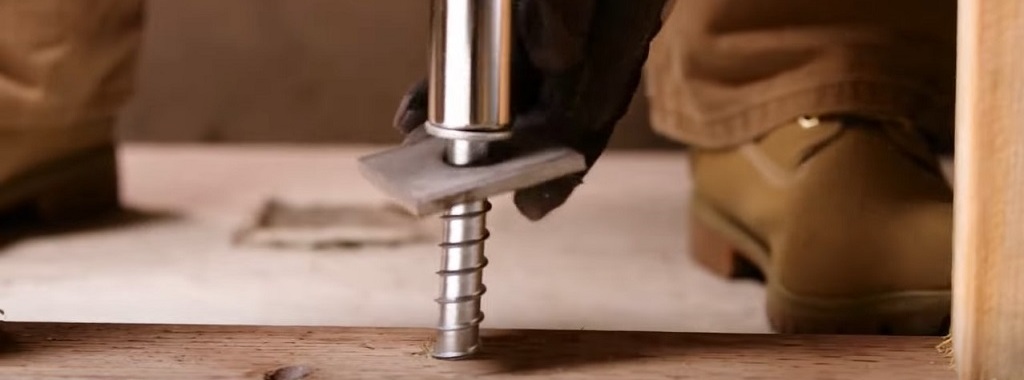
Allowable Load Tables at Your Service — A Look at the Technical Engineering Bulletin (TEB) for Anchors
One interesting part of being a field engineer for Simpson Strong-Tie is having the opportunity to see how different structural engineers may take different approaches to similar designs. We at Simpson Strong-Tie have come to appreciate these different approaches and embrace this phenomenon by providing multiple resources to aid in the completion of a design. This is very apparent when it comes to the design of post-installed anchors.
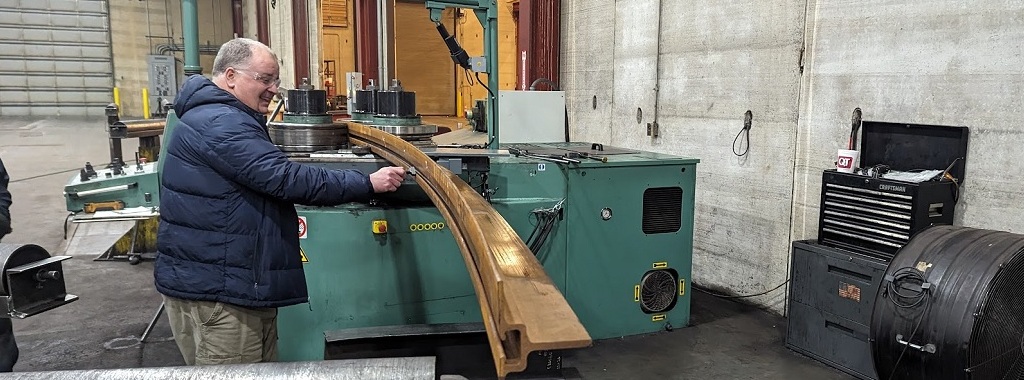
Using the Edge-Tie™ System to Create Curved Façades in Steel Construction
Curved façades can help create architecturally appealing steel structures and may even reduce the effects of wind loading. However, careful coordination is needed between engineers, contractors and glaziers when locating façade attachments. Providing adequate tolerances and avoiding field fixes can prove to be more challenging for curved façades than for conventional rectangular ones.
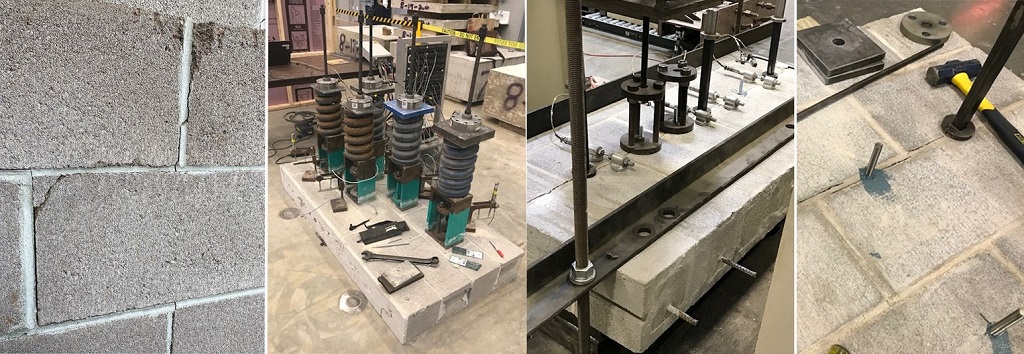
Overview of the Strength-Based Cracked and Uncracked Masonry Design Standards for Adhesive Anchors
We’re entering the year 2024 — welcome to the world of cracked and uncracked masonry. The last time Simpson Strong-Tie wrote a blog post regarding design criteria for post-installed anchors in masonry was in 2019, and ICC-ES was considering the adoption of a revised version of AC58, the Acceptance Criteria for Adhesive Anchors in Cracked and Uncracked Masonry Elements. Acceptance Criteria, or ACs, outline the testing that a manufacturer must comply with in order to get an evaluation report. In some cases, the ACs contain calculations methods if they are otherwise unavailable. If you missed the previous blog post, here is a link so you can explore a bit of the history that has led us to where we are today.
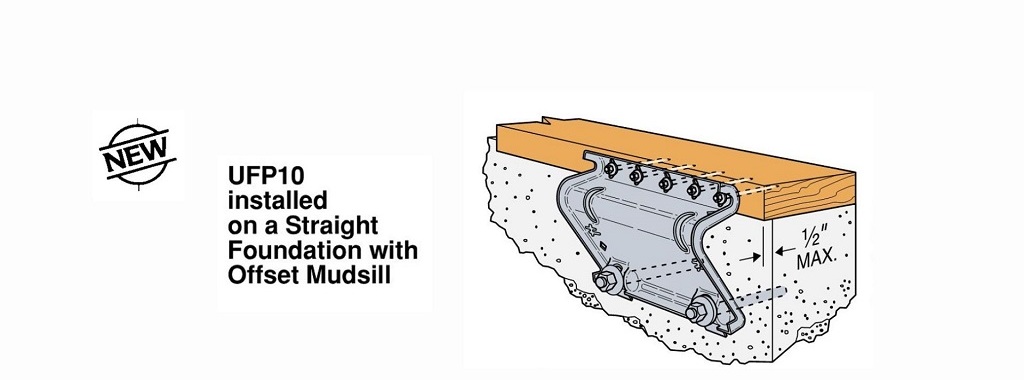
Eleventh Day of Trivia — Foundation Retrofit Plates
While working as a structural engineer in San Jose, California, I had the great opportunity to design many retrofits of historic (and some not-so historic) buildings. Younger me loved the site visits, crawling around in the dust and dirt to create as-built drawings, and I got tremendous satisfaction from helping to make these buildings safer and stronger. Older me would not enjoy the crawling so much.
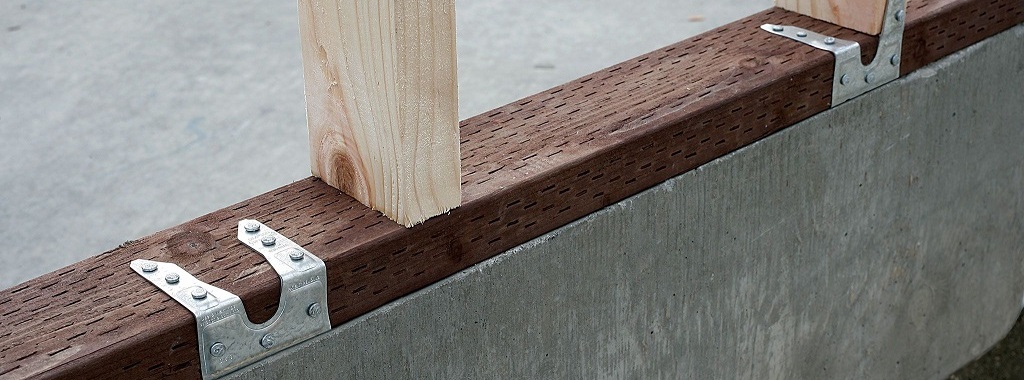
Sixth Day of Trivia — Mudsill Anchors
Mudsills commonly attach to the foundation using cast-in-place anchor bolts. It can be labor intensive to lay out the anchor bolts, drill holes in the mudsill at the right location, and then bolt everything together. A very popular solution for anchoring mudsills is our MASA mudsill, launched in 2009.
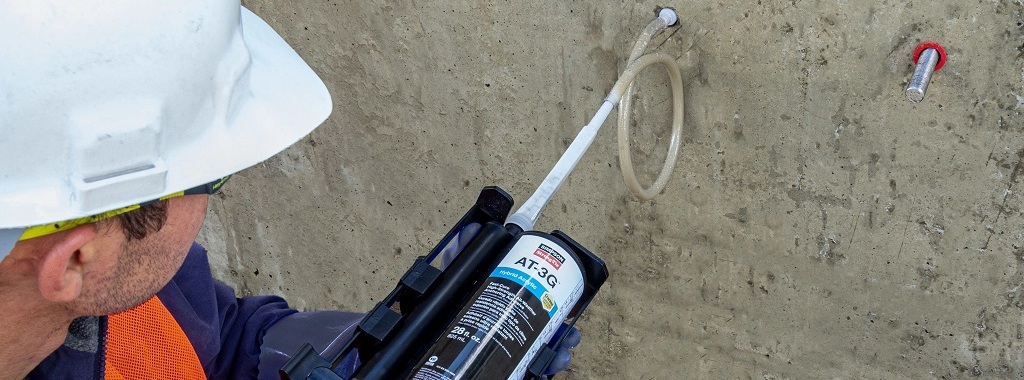
Introducing AT-3G™: Your high-strength cold-weather, fast-cure anchoring adhesive
In general, post–installed adhesive anchor design per ACI 318 Chapter 17 is relatively straightforward. In practice, however, post–installed anchorage can often become challenging because of fast–track project schedules, supply issues, ever-changing weather conditions, design conflicts/changes, or unexpected field conditions.
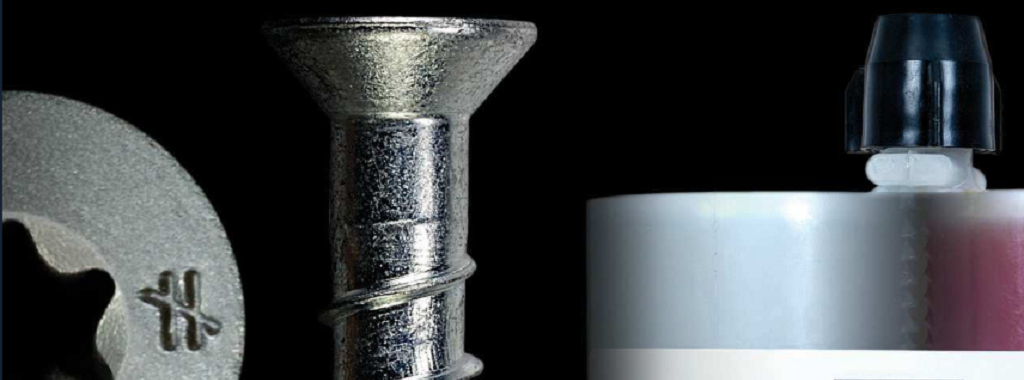
Common Engineering Technical Inquiries — Part I: Anchors
Over the next few months, I will be doing a short three-part series going over common technical inquiries we receive in the engineering department. There is a wealth of information available on our website and in our literature, but so much content can sometimes be difficult to navigate. It is often said that knowledge is power, so my hope is to empower you with all the technical support you need so you can complete your job quickly and efficiently.
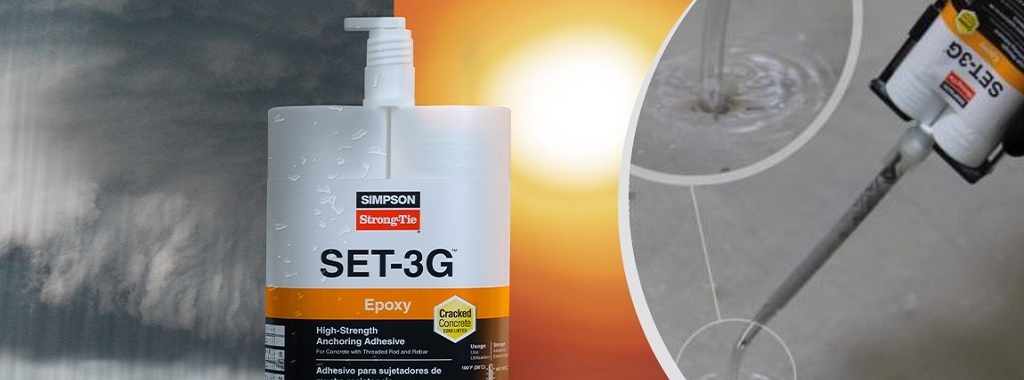
Dry, Soaked, or Submerged Concrete — SET-3G Adhesive Allows Anchoring in Any Condition
Modern construction schedules and conditions create a demand for solutions that can perform in a wide variety of environments. In the following post, Field Engineer Chris Johnson provides a rundown of different concrete and hole conditions for adhesive anchoring, the related design factors, and proper installation instructions and approved adhesive products for submerged anchorage.