



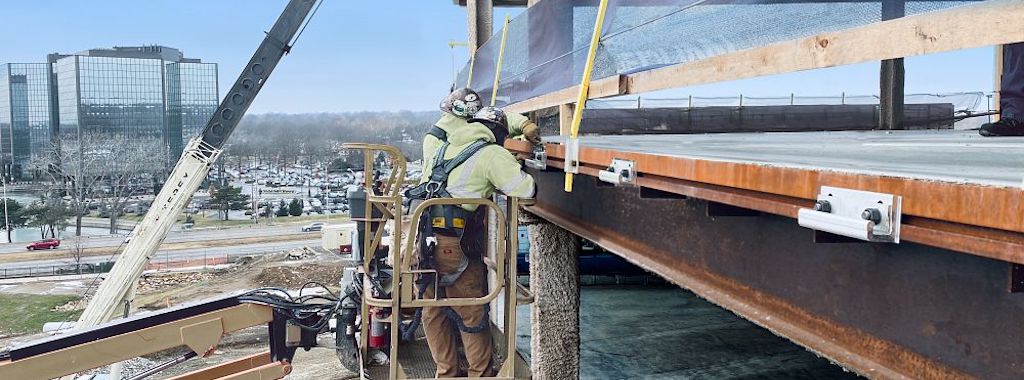
On November 9, 2022, we hosted the second in a two-part series on the latest solutions for creating cladding connection designs for structural steel buildings. The second webinar provided a technical overview of the Edge-Tie system. Simpson Strong-Tie R&D engineers Abhishek Kulkarni and Fayad Rahman discussed the performance evaluation testing and design parameters for a façade attachment method that uses adjustable bolted connections without any field welding.
Category: Anchoring Systems
One of the core values at Simpson Strong-Tie is to help you succeed by providing innovative products, full-service engineering, field support, product testing and training, and on-time product delivery. We strive to provide innovative anchor systems solutions for infrastructure, commercial, industrial and residential projects. We offer a full array of mechanical anchors, adhesive solutions, and tools for concrete and masonry applications. Our anchor systems solutions, like all of our others, have passed the high performance and quality standards that are expected of Simpson Strong-Tie — and include the trusted level of service you’ve come to rely on.
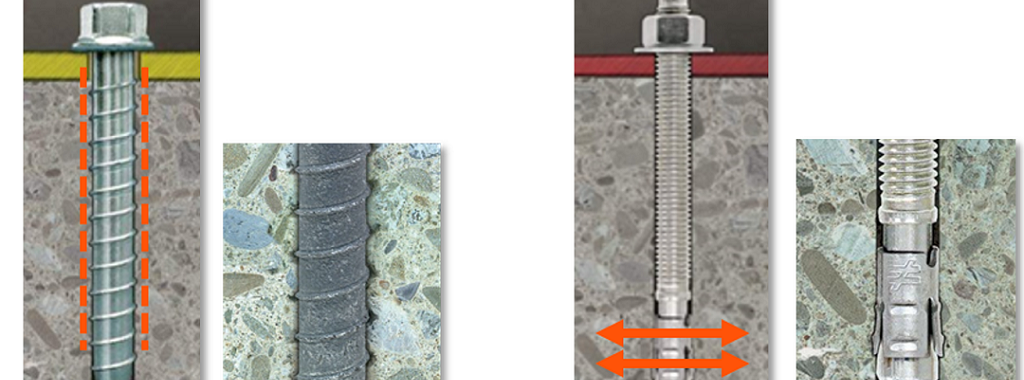
Mechanical Anchors: Screw vs. Expansion: — Which Is Right for Me?
Not all post-installed mechanical anchors are created equal. There are key differences between screw and expansion anchor types — differences that include how they gain their holding strength, installation requirements, and overall anchor performance. In the following post, field engineers Todd Hamilton, Chris Johnson and Derek Gilbert compare the two anchor types.
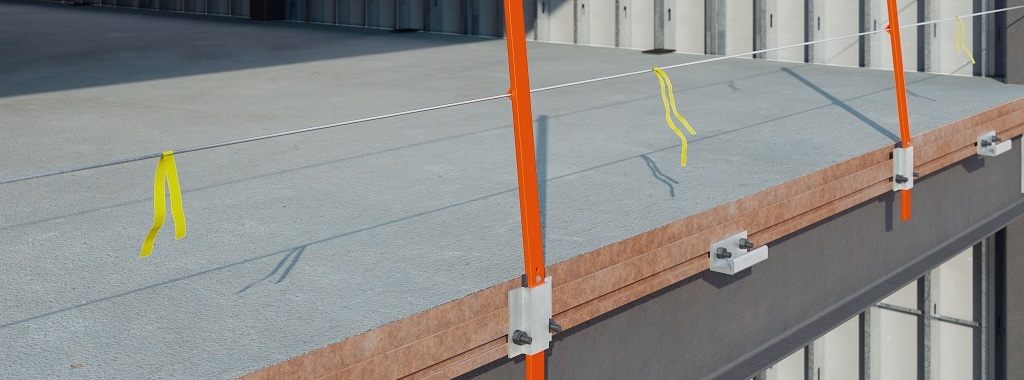
Learn New Design Methods to Enclose Buildings Faster Webinar Q&A
In this post, we follow up on our October webinar, New Design Methods to Enclose Buildings Faster, by answering some of the interesting questions raised by attendees.
During the webinar, we discussed new design methods and solutions for curtain-wall and cladding connections and how they can maximize efficiency and resiliency throughout the construction process. In case you could not join our discussion, you can watch the on-demand webinar and earn PDH and CEU credits here.Continue Reading
Inventing the Edge-Tie System
Last fall we hosted a two-part webinar series on the latest innovations in designing cladding connections for structural buildings. The first webinar, covered some of the biggest challenges that fabricators, engineers, and contractors in the structural steel industry face when designing façade attachments to a building structure. We discussed new design methods and solutions, such as bolted connections that do not require any field-welding to help enclose buildings quickly and reduce overall project schedules and costs.
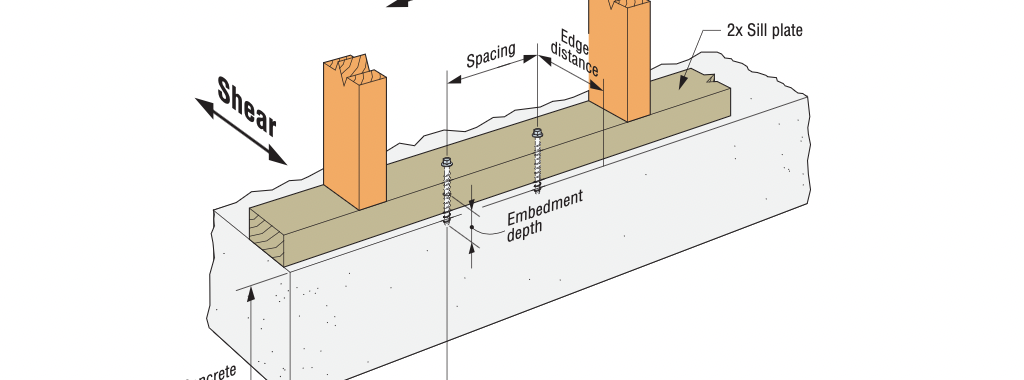
Providing Performance Data for Shallowly Embedded Anchors
In the last few years, Simpson Strong-Tie has heard from a number of structural engineers expressing frustration with the lack of performance data for shallowly embedded, post-installed anchors (shallow anchors). Engineers of Record (EOR) have identified a common application for shallow anchors as those related to attachment of sill plates for structural and nonstructural wall-to-podium slab connections. One dilemma faced by the EORs originates in their desire to prevent damage to concrete podium slab reinforcement, especially where reinforcement is located close to the slab’s top surface to resist negative bending moments. EORs further indicate that shallow anchors are frequently needed for the following attachments: hanging MEP fixtures; attaching nonstructural components associated with tenant improvements; and anchoring light equipment.
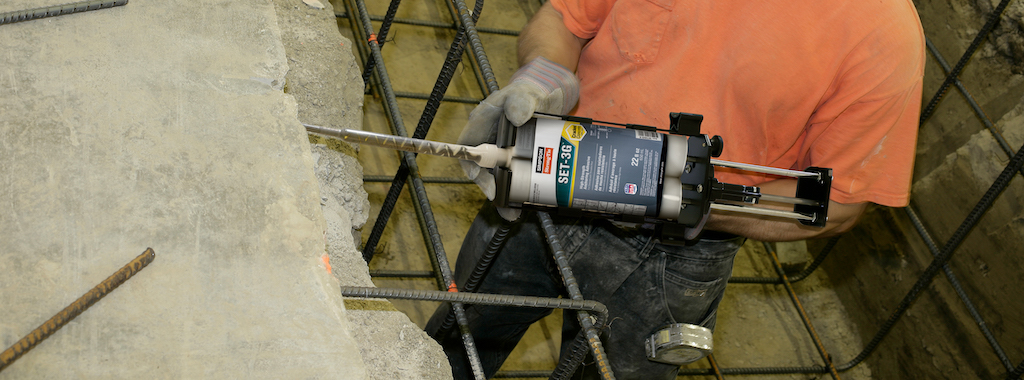
Reasons to Specify SET-3G Adhesive for Anchorage in Concrete Construction
We’ve been receiving a lot of requests lately from engineers wanting to know exactly what the difference is between Simpson Strong-Tie’s relatively new adhesive, SET-3G™, and its predecessor, SET-XP®. Both are epoxy-based adhesives used to anchor threaded rods and reinforcing bars in concrete base material for structural applications. If you perform a live pull test on a ½” diameter mild steel rod embedded 4″ deep in 3,000 psi uncracked normal weight concrete, the result will likely be the same; in both cases, the steel rod will break in a ductile manner at around 11 kips. You can see this hourglass shaped steel failure mode happening in Figure 1. (To learn more about anchorage failure modes and ductility, check out this blog). Yet, the SET 3G design values shown in ESR-4057 come out ahead. But why?
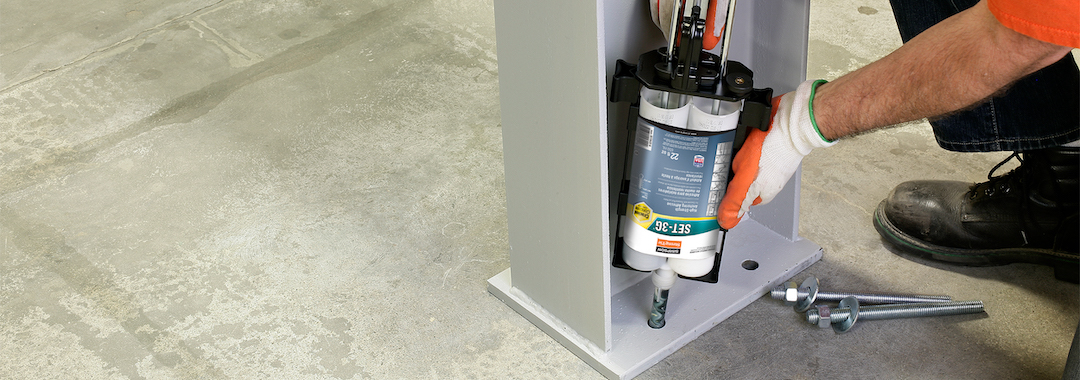
How Should I Determine a Tension Test Load? Guidelines on Proof Loading Adhesive Anchors
Have you ever been involved on a project where a post-installed anchor failed when loaded? What was the circumstance? Was the anchor installed with incorrect torque or was the hole improperly cleaned, resulting in lower capacities than published? Unfortunately, in the world of concrete anchors, installations are sometimes incorrect as a result of not following instructions. Alternatively, perhaps you’re working on a project where special inspection wasn’t performed as required by the building code. What should be done in these cases?
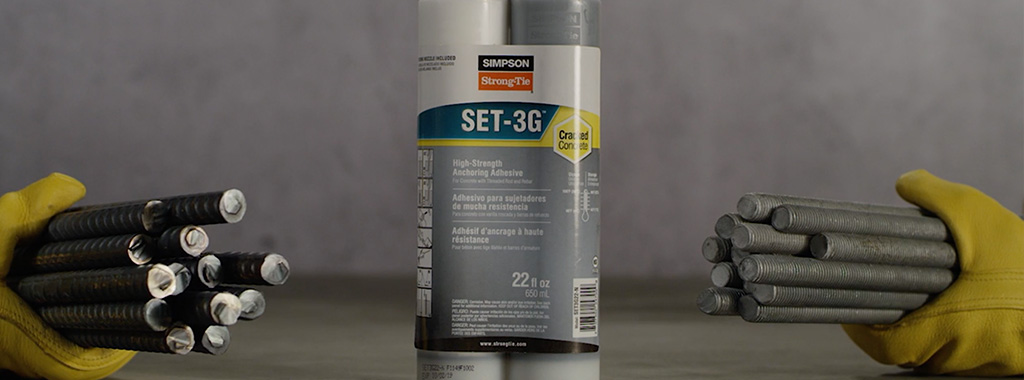
Applying ACI 318-19 Development Length Provisions to Post-Installed Reinforcing Bars Secured to Concrete with Construction Adhesive
The evaluation report, ESR-4057, was recently updated to allow the design of SET-3G adhesive for post-installed reinforcing bars using the ACI 318 development length provision. This blog has been reposted replacing SET-XP with SET-3G using the original design examples. The SET-XP evaluation report, ESR-2508, currently limits f’c to 2,500 psi for seismic applications located in seismic design category C–F. SET-3G does not carry the same limitation allowing for a considerable reduction in development length at higher values of f’c. In general, a substantially lower installation cost can be expected using SET-3G for seismic applications. Additionally, SET-3G has slightly reduced edge and spacing requirements. Engineers can access a free online calculation tool to easily determine the rebar development or lap splice length for either adhesive product.
I first learned about the application of the ACI 318 development length provision to post-installed reinforcing bars back in 2003 when I read Post-Installed Adhesive-Bonded Splices in Bridge Decks, authored by Ronald A. Cook and Scott D. Beesheim. In their series of experiments, holes were drilled adjacent to cast-in-place bars using a carbide-tipped drill bit, and new bars were secured in these holes using an anchoring adhesive presumed to be of a type commonly used in concrete construction.
Continue Reading

Questions Answered: Making the Right Anchor Choice
In this post, we follow up on our August 28 webinar, Making the Right Anchor Choice: Best Practices in Anchor Design, by answering some of the interesting questions raised by attendees.
During the webinar where we discussed the critical performance factors and code requirements you need to consider when designing with or installing adhesive or mechanical anchors. In case you weren’t able to join our discussion, you can watch the on-demand webinar and earn PDH and CEU credits here.
Continue Reading
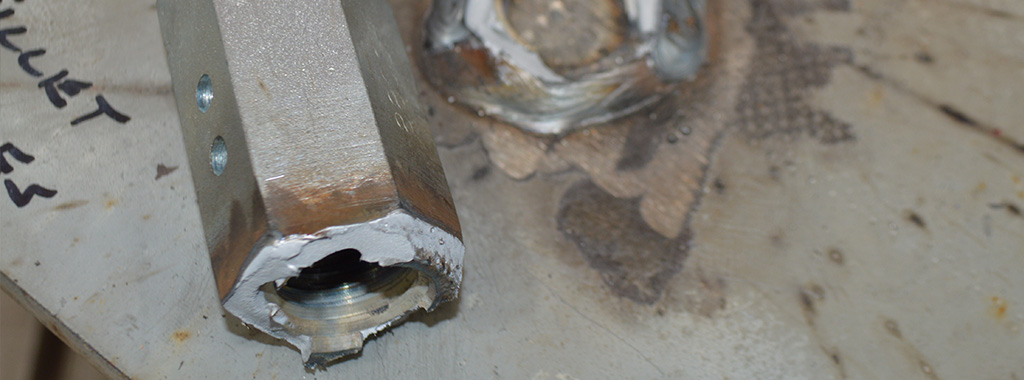
Rod-to-Steel-Beam Connections for Anchor Tiedown Systems: Rod Welding, Brittle Failure, and Alternative Connections
Continuous rod tiedowns are a common way to restrain shearwall overturning in light-frame structures. Anchoring the rod run in a steel beam can be challenging, however, because the holdown typically aligns with the beam’s web and thus cannot pass through the beam. Welding, on the other hand, can cause brittleness and fracture of the rod or coupler at the location of the weld, especially in high-strength steel rods and couplers. An effective alternative also using high-strength rods is provided by the Simpson Strong-Tie® ATS-SBC steel-beam connector, which comes with a steel plate whose flat edges can be fillet welded to the steel beam or embed plate without brittle failure. Scott Fischer, P.E., of Simpson Strong-Tie explains the results of our lab testing in the following post.
Continue Reading